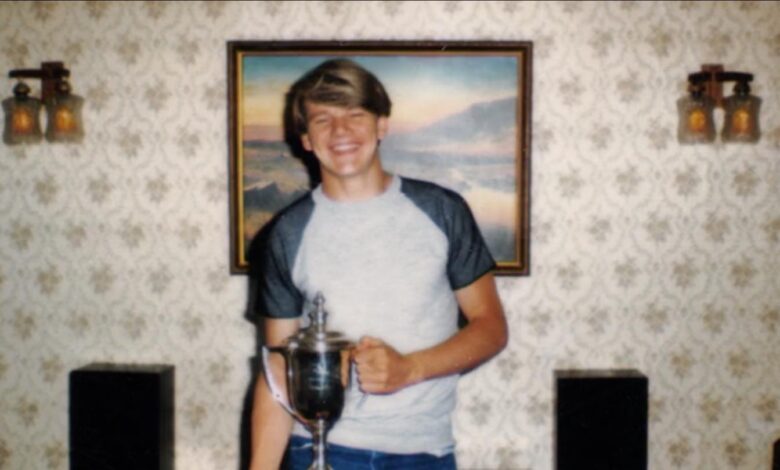
How this little boy turned a violent childhood into TV stardom and millions
Today, his net worth sits at an estimated $220 million.
But long before the Michelin stars, the global fame, and the explosive television persona, Gordon Ramsay was just a frightened boy growing up in chaos.
Long before the red carpets and roaring kitchens, Ramsay’s childhood was marked by instability, poverty, and violence.
Born in Scotland on November 8, 1966, he was raised in a family constantly uprooted by his father’s erratic behavior. His mother worked tirelessly as a nurse, while his father drifted between jobs — swimming pool manager, welder, shopkeeper — never staying long. The instability wasn’t just financial. It was emotional, volatile, and frightening.
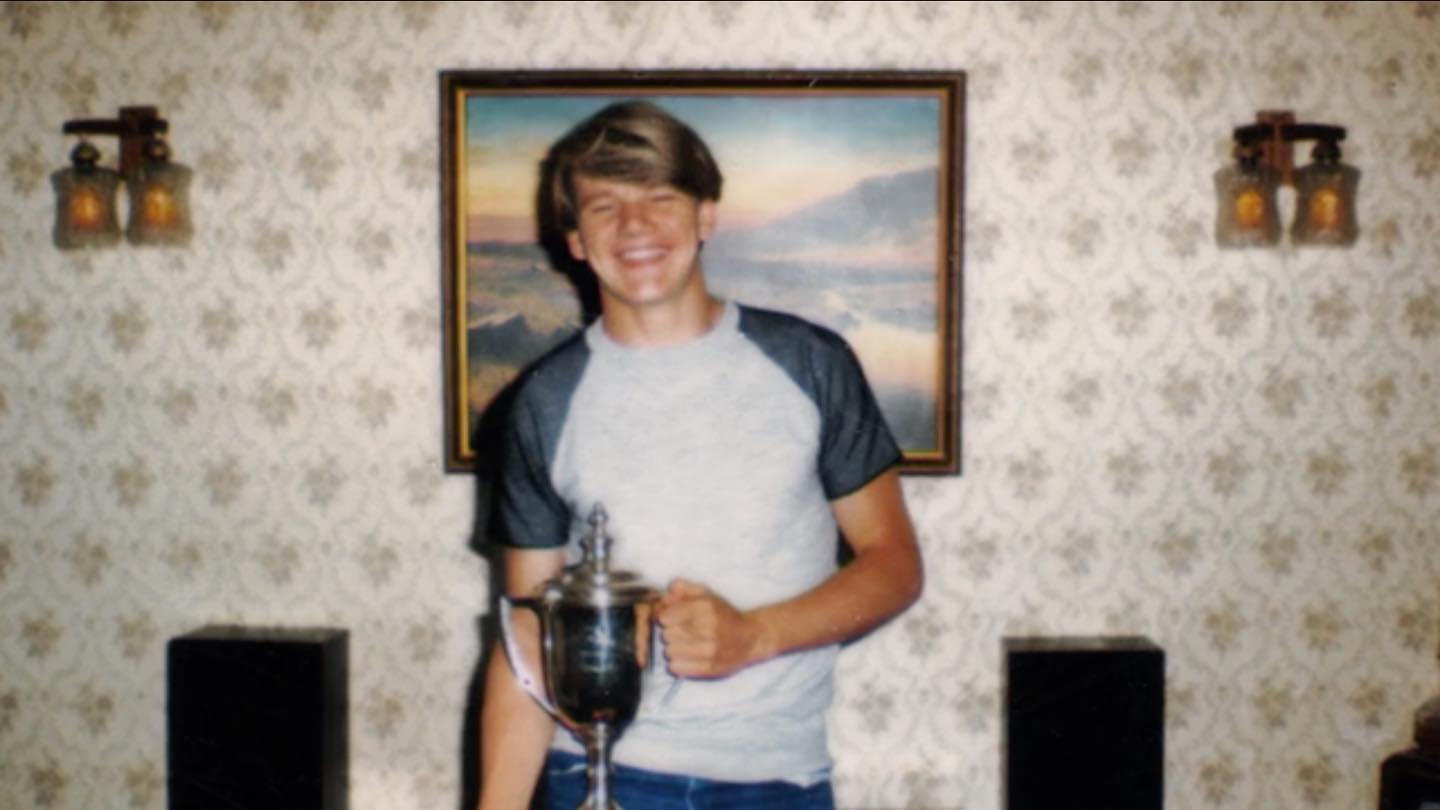
Ramsay has described his early years as “hopelessly itinerant,” a childhood shaped by constant moving and the looming shadow of an alcoholic father. Weekends, he has said, were often overshadowed by drink.
“It’s hard, isn’t it, when someone’s an alcoholic?” Ramsay once reflected. “You’re nervous. You’re worried about hitting the end of the bottle… because you know what happens at the end of that.”
When the Bacardi bottle emptied, so did whatever thin layer of peace existed in the house.
His father’s violent outbursts frequently cost him jobs. Arguments with neighbors and employers meant the family packed up and started again — over and over. For a child, there was no sense of security. No steady ground.
Police were sometimes called to remove his father from the home. Social services intervened. There were periods when Ramsay and his siblings were placed in care.
His mother, Helen, endured years of abuse. She later revealed she suffered violence for two decades. She married at 17; the abuse began six months later.
“If his shirt wasn’t ironed properly… or his food wasn’t put on the plate properly… it was an excuse,” she said.
She tried to shield her children from the worst of it, but children see more than adults realize. Bruises were explained away. Lies were told to protect them.
“It’s not until they’re older they tell you what they heard and saw,” she later admitted.
Ramsay has spoken candidly about the emotional damage of those years. In an essay for CNN, he acknowledged that no child should ever feel unsafe in their own home — yet that was his reality.
He once said of his father, “I had a torrid relationship with him.” When accused of being a snob for wanting more from life, Ramsay replied, “No, definitely not a snob. I just want to get out of the mess I was born in.”
That desire to escape became fuel.
As a teenager, Ramsay initially pursued football. But after a knee injury ended that path, he pivoted. At 19, he committed himself fully to the culinary world.
He began humbly — working as a dishwasher. There were no shortcuts, no privileges. Just grit.
Eventually, he trained in London under legendary Michelin-starred chef Marco Pierre White at Harveys. The kitchens were brutal, disciplined environments — but they gave him structure and purpose.
At the same time, his younger brother was battling heroin addiction. Ramsay has admitted that cooking may have saved him.
“If I didn’t cook my way out of that mess, then I could have gone down with the rest of them,” he told People.
In 1998, he opened his first restaurant. Within three years, it earned three Michelin stars — making him the first Scot to achieve that distinction.
From there, the rise was meteoric.
Television audiences around the world soon met the sharp-tongued, high-pressure chef of Hell’s Kitchen, Kitchen Nightmares, and The F-Word. His temper became iconic. His blunt critiques unforgettable.
But behind the fiery persona stands a man shaped by survival.
Today, Gordon Ramsay oversees a global hospitality empire. Much of his wealth flows through Gordon Ramsay Holdings Limited, valued in the tens of millions, with Ramsay holding a majority stake. His business spans restaurants, culinary academies, television production, and branded ventures across continents.
And then there’s family.
Ramsay married Tana Hutcheson in 1996. Together, they have six children. He has often said that fatherhood changed him — and that his childhood trauma shaped the kind of parent he strives to be.
In the Netflix documentary Being Gordon Ramsay, he speaks openly about his upbringing and how it forged his relentless drive.
“You never take things for granted,” he explained. “You become so appreciative. But there’s also this relentless drive… you never want to lose it.”
That hyper-awareness — of stability, of loss, of security — still follows him.
He has also turned his past into purpose. Alongside his wife, he has supported Women’s Aid and helped raise significant funds for domestic abuse survivors — transforming personal pain into advocacy.
For Ramsay, success was never just about fame or fortune. It was about escape. About protection. About rewriting the story.
Behind the sharp standards and volcanic outbursts stands a man who grew up in fear — and decided the cycle would end with him.
From cramped council flats to global empire, Gordon Ramsay’s story isn’t just about cooking.
It’s about survival.
And the determination to build a life defined not by where you started — but by where you refused to stay.