The Hidden Meaning Behind the Toad in Your Home and Why You Should Never Shoo It Away
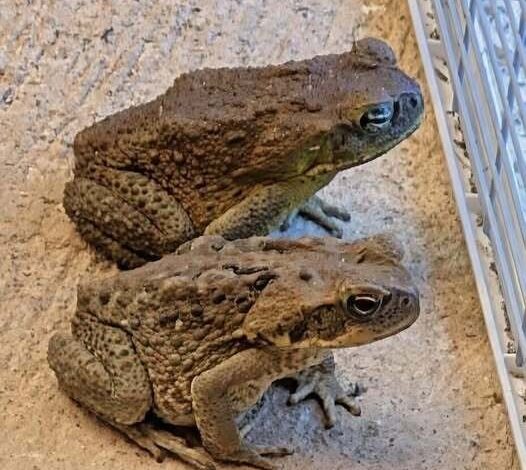
The sudden appearance of a toad on your doorstep or tucked away in a cool corner of your laundry room can be a jarring experience for the uninitiated. One moment you are going about your evening routine, and the next, a pair of golden, unblinking eyes is staring back at you from the shadows. It is a moment that often triggers a primal reaction—a mix of surprise, perhaps a touch of revulsion, and a frantic search for a broom to usher the intruder back outside. However, before you act on that impulse, it is worth pausing to consider that this small, bumpy visitor is far more than just a stray amphibian. Toads are creatures of profound ecological importance and deep symbolic resonance, and their presence in your personal sanctuary is rarely a coincidence.
At the most fundamental level, a toad enters a human dwelling or a managed garden space in pursuit of three basic biological necessities: moisture, shelter, and sustenance. Unlike frogs, which usually require constant proximity to open water, toads have evolved to be more terrestrial, yet they remain highly sensitive to dehydration. Their skin, while thicker and more resilient than that of their sleek cousins, is still permeable. A toad inside your home is often a traveler seeking refuge from the desiccating heat of a summer afternoon or the drying winds that precede a storm. They are drawn to the damp microclimates we inadvertently create—the condensation around a potted plant, the cool tiles of a bathroom, or the shaded humidity of a crawlspace. When you find one, you are looking at a master of survival that has identified your home as a viable oasis in a challenging environment.
Beyond the search for water, these amphibians are expert opportunists when it comes to the dinner table. If you have ever noticed a toad lingering near your porch light, you are witnessing a tactical genius at work. Outdoor lighting attracts a swirling buffet of moths, beetles, and flies, and the toad is more than happy to sit in the glow and wait for dinner to land within reach of its lightning-fast tongue. In this capacity, toads act as a silent, organic security force for your home. They are voracious predators of the very pests that humans spend millions of dollars trying to eradicate with chemical sprays. A single toad can consume hundreds of insects in a single night, including mosquitoes that carry diseases and garden pests that devour your prized flowers. Their presence is a definitive sign of a healthy, functioning ecosystem. If a toad can thrive in your yard, it means the soil is untainted by excessive toxins and there is a robust food chain supporting life. They are the “canaries in the coal mine” for the modern suburban landscape; where there are toads, there is life.
However, the story of the toad extends far beyond the realm of biology and pest control. For millennia, humans have looked at these ground-dwelling creatures and seen something mystical. Because they undergo a dramatic metamorphosis—starting as fragile, water-bound tadpoles before transforming into rugged, land-walking adults—they have become the universal symbol for growth and adaptability. Finding a toad in your path is often interpreted in various folklore traditions as a sign that you are entering a period of significant personal transition. Just as the toad successfully navigated the shift from one world to another, its presence suggests that you possess the inner resources to handle the changes currently unfolding in your own life.
In the ancient practice of Feng Shui, the toad is not a pest to be feared but a harbinger of wealth and opportunity. The famous “Money Toad” or “Three-Legged Toad” is a staple of Eastern symbolism, believed to attract prosperity and protect the household’s finances. While the toad in your kitchen might have the standard four legs, the energy it brings is much the same. In many cultures, these creatures are seen as gentle cleansers of stagnant energy. Because they prefer the quiet, overlooked corners of a home, they are thought to “moop up” the heavy or negative vibrations that accumulate in the shadows, allowing for a fresher, more positive flow of life force to circulate through the living space.
There is also a profound lesson in mindfulness to be learned from the humble toad. In a world that moves at a frantic, digital pace, the toad is a creature of absolute stillness and patience. It does not chase its goals with frantic energy; it positions itself correctly, remains quiet, and waits for the right moment to act. Observing a toad in your garden can be a meditative experience. It forces you to slow down, to lower your gaze from the horizon to the ground, and to appreciate the intricate details of a life lived close to the earth. There is a quiet dignity in their movements and a stoic resilience in their posture. They remind us that there is power in being grounded and that much can be achieved through steady, quiet persistence.
Embracing the presence of a toad requires a shift in perspective. It requires us to move away from the idea of the home as a sterile box isolated from the world and toward an understanding of the home as a part of a larger, interconnected web of life. When a toad crosses your threshold, it is an invitation to practice hospitality toward the natural world. It is a reminder that we share our environment with ancient lineages of survivors who have been navigating the earth long before we laid our foundations. Instead of seeing an intruder, try to see a partner.
If you find a toad indoors and wish to move it, do so with the gentleness its status deserves. Use a small container to lift it carefully, ensuring your hands are moist if you must touch it, as the oils and salts on human skin can be irritating to their sensitive membranes. Place it in a shaded, damp area of your garden, perhaps near a rock pile or under a leafy shrub, where it can continue its vital work of balancing the local insect population. By treating this small visitor with respect, you are acknowledging the vital role it plays in the ecological harmony of your surroundings.
Ultimately, the toad in your home is a symbol of balance. It represents the intersection of the practical and the spiritual—the marriage of effective pest management and profound symbolic renewal. Whether you view it as a lucky charm, a biological ally, or a spiritual messenger, its appearance is a call to pay attention. It asks you to notice the small wonders that persist in the cracks and shadows of everyday life. It is a testament to the fact that nature is never truly separate from us; it is always there, breathing quietly in the corner, waiting for the right moment to remind us of the magic inherent in the natural world. So, the next time you encounter a bumpy-skinned traveler on your porch, take a breath, offer a silent word of thanks, and recognize that you are in the presence of a tiny, ancient guardian.