She May Be Smiling… But Her Story Took One of the Darkest Turns in Modern History
She May Be Smiling… But Her Story Took One of the Darkest Turns in Modern History
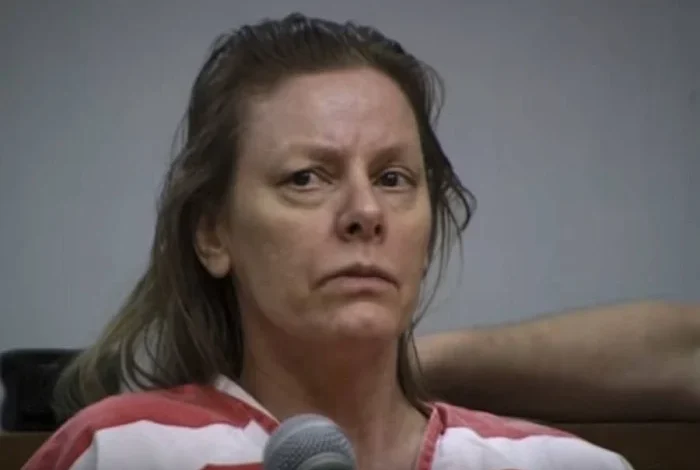
More than two decades after her execution, Aileen Wuornos remains one of the most talked-about criminal figures in the United States. Now, with a new Netflix documentary titled Aileen: Queen of the Serial Killers, her life and crimes are once again under public scrutiny — offering a deeper, more unfiltered look at how her story unfolded.
Between 1989 and 1990, Wuornos carried out a series of murders across central and northern Florida, killing seven men while living and working along highways. The crimes sparked a widespread investigation that eventually led to her arrest in 1991 and multiple first-degree murder convictions the following year. In total, she received six death sentences.
The documentary includes rare footage and interviews recorded during her time on death row. In them, Wuornos appears complex and unpredictable — at times claiming self-defense, and at others openly admitting to the killings. Her shifting statements and emotional instability became a central part of how both the courts and the public viewed her.
But the story doesn’t begin with the crimes.
Netflix also explores her early life — one marked by instability, abuse, and abandonment. Raised in Michigan under difficult conditions, Wuornos discovered at a young age that the people she believed were her parents were actually her grandparents. Her biological father had been imprisoned for serious crimes and later died by suicide while incarcerated.
According to her accounts, her childhood included physical abuse and severe emotional hardship. By her early teens, she was already living on the margins — engaging in survival behaviors that would follow her into adulthood. Over the years, she faced multiple arrests and struggled with instability, eventually returning to Florida, where the events that defined her life took place.
Her relationship with Tyria Moore became another key part of the story, especially after Moore cooperated with investigators during the case.
As authorities began linking the murders — victims found along rural roads, each shot multiple times — the case quickly escalated. Evidence connected Wuornos to the crimes, including items she pawned and vehicles she used. She later confessed on videotape.
After years of appeals and ongoing legal debates about her mental state, Wuornos was executed in October 2002 at the age of 46.
Even after her death, her story has remained in public focus. From films like Monster, where Charlize Theron portrayed her in an Oscar-winning role, to multiple documentaries, her life continues to raise questions about crime, trauma, and responsibility.
Netflix’s latest project doesn’t just revisit the case — it reframes it for a new generation, asking not only what happened, but why.
Watch the full documentary and explore the story 👇