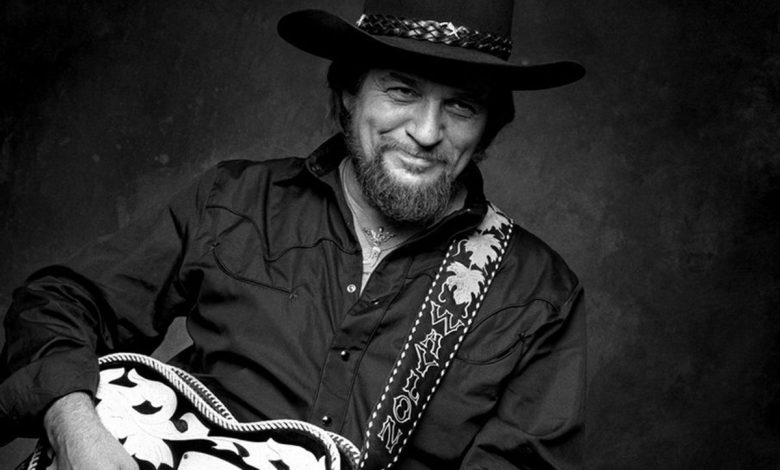
Waylon Jennings’ “Are You Sure Hank Done It This Way” Redefines Outlaw Country and Shakes Nashville in 1975
Released in August 1975, Waylon Jennings’s “Are You Sure Hank Done It This Way” was more than just a hit single—it was a bold artistic statement that questioned the direction of country music at the time.
As the lead single from the album Dreaming My Dreams, the song quickly reached No. 1 on the Billboard Hot Country Singles chart, cementing Jennings as one of the central figures of the emerging “Outlaw Country” movement.
A Challenge to Nashville’s System
In the 1970s, country music was dominated by the polished and commercialized “Nashville Sound,” characterized by smooth production, orchestral arrangements, and carefully controlled artist images.
Jennings pushed back against this system. His song directly questioned the industry’s direction and authenticity, asking:
“Lord, it’s the same old tune, fiddle and guitar / Where do we take it from here?”
Rather than attacking the past, Jennings was challenging the present—suggesting that country music was losing its soul in favor of commercial appeal.
Inspiration Behind the Song
The idea for the track reportedly came from Jennings’ growing frustration with the flashy image of country music in the early 1970s—rhinestones, luxury tours, and a polished stage persona that felt disconnected from real life.
He also drew inspiration from traditional country legends such as Hank Williams, whose raw and emotional style represented the authenticity Jennings felt was being lost.
By invoking Hank’s name, Jennings wasn’t disrespecting him—he was asking whether modern country music still honored that legacy.
Raw Sound, Real Message
Unlike the heavily produced Nashville recordings of the time, the song was intentionally stripped down. Jennings produced it himself and recorded it at Tompall Glaser’s studio, a creative space known for giving artists more freedom.
The instrumentation leaned toward a rock-influenced country sound: gritty electric guitar, strong bass lines, and a steady, driving rhythm. Jennings’ vocal delivery was direct and conversational, almost like a spoken confession.
There were no lush harmonies or orchestral layers—just raw sound and honest emotion.
Impact and Success
Upon release, the song became a major commercial success, reaching No. 1 and staying on the charts for 16 weeks. It resonated deeply with younger audiences who were frustrated with the direction of mainstream country music.
Its B-side, “Bob Wills Is Still the King,” also became popular, creating a powerful double release that honored tradition while challenging modern industry trends.
The song helped define the Outlaw Country movement alongside artists such as Willie Nelson and Kris Kristofferson.
A Cultural Shift in Country Music
Beyond its chart success, the song had a lasting cultural impact. It became a manifesto for artistic independence, encouraging musicians to take control of their sound and resist industry pressure.
It also helped shift country music toward a grittier, more rock-influenced style that would later inspire artists across generations.

Jennings’ insistence on creative control helped redefine the role of the artist in country music—not just as a performer, but as a decision-maker.
Legacy
Even decades after its release, “Are You Sure Hank Done It This Way” remains one of the most important songs in country music history.
It continues to appear on “greatest country songs” lists and is frequently cited as a turning point in the genre’s evolution. Modern artists still reference its message of authenticity and resistance to commercial pressure.

Although Jennings passed away in 2002, his influence remains strong, and this song is often seen as the moment when country music began to reclaim its independence.
THE SONG: