The Shocking Truth Behind “Chirpy Chirpy Cheep Cheep” (1971): The Happy Song with a Surprisingly Heartbreaking Story
In the world of pop music, few songs sound as joyful and carefree as Chirpy Chirpy Cheep Cheep. Released in 1971 by Middle of the Road, the song quickly became one of the biggest international hits of the early 1970s. With its catchy chorus, upbeat rhythm, and infectious melody, it seemed like the perfect soundtrack to a carefree summer. Millions of people danced to it, sang along to it, and embraced its cheerful energy without giving much thought to what the lyrics were actually saying.
Yet hidden beneath the song’s bright and playful surface lies a story that is far more emotional than most listeners ever realized.
When “Chirpy Chirpy Cheep Cheep” first hit the airwaves, audiences immediately fell in love with its feel-good atmosphere. The song’s chirping chorus, simple arrangement, and upbeat production made it sound almost like a children’s tune. It was the kind of record that instantly put people in a good mood.
Throughout Europe and beyond, the song climbed the charts and became a defining hit of its era. Radio stations played it constantly, and its cheerful sound made it one of the most recognizable songs of the decade.
For many listeners, it was simply a fun pop song with an unforgettable chorus.
But there was much more hidden between the lines.
The real story told in the lyrics is surprisingly sad.
The song revolves around a child asking where their mother has gone. The answer reveals that she left during the night and never returned. What initially sounds like a playful conversation is actually a story about abandonment and loss.
The famous lyric describes the mother leaving unexpectedly, creating a sense of confusion and heartbreak for the child left behind.
Because the melody is so upbeat, many listeners never stop to consider the meaning of the words. The contrast is remarkable: while the music encourages people to smile and dance, the story itself deals with loneliness and emotional separation.
It is one of the clearest examples in pop music history of a tragic narrative being disguised as a cheerful singalong.
Part of the genius of “Chirpy Chirpy Cheep Cheep” lies in this unusual contradiction. The song combines a catchy, uplifting sound with a surprisingly emotional storyline.
Listeners are drawn in by the melody before they fully absorb the lyrics. As a result, the song works on two different levels. Casual listeners enjoy its joyful energy, while those who pay closer attention discover a much deeper emotional message.
This blend of happiness and sadness helped make the song memorable long after many other pop hits of the era were forgotten.
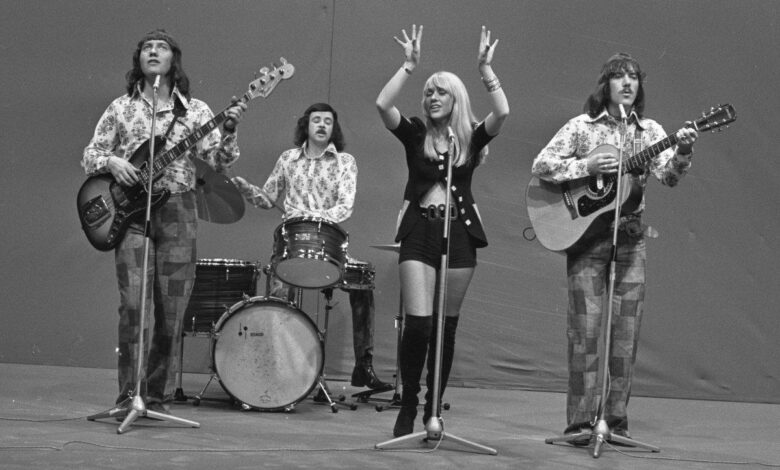
Led by vocalist Sally Carr, Middle of the Road became one of the most successful pop groups of the early 1970s. Although the band originated in Scotland, they found enormous popularity across Europe.
Following the success of “Chirpy Chirpy Cheep Cheep,” the group enjoyed several additional hits and established themselves as one of the defining pop acts of the decade.
However, no song would become as closely associated with their legacy as this unforgettable classic.
More than fifty years after its release, “Chirpy Chirpy Cheep Cheep” continues to be played around the world. It remains a favorite on oldies radio stations, nostalgic playlists, and retro music collections.
New generations often discover the song the same way audiences did in 1971: they hear the catchy melody first and only later realize the surprisingly emotional story hidden beneath it.
That discovery often changes the way people hear the song forever.
“Chirpy Chirpy Cheep Cheep” is proof that appearances can be deceiving. What sounds like one of the happiest songs of the 1970s is actually built around a story of loss, abandonment, and unanswered questions. Its unique combination of cheerful music and heartbreaking lyrics helped transform it from a simple pop hit into one of the most fascinating songs of its generation.
The song