The Country Hit That Proved The Saddest Songs Stay With Us The Longest
When Ronnie Milsap released “Nobody Likes Sad Songs” in 1979, country music was filled with upbeat hits and crossover successes. Yet this quiet ballad reminded listeners that the songs which touch us most deeply are often the ones that speak honestly about heartache. Rather than avoiding painful emotions, the recording embraced them, creating a timeless classic that continues to resonate with audiences more than four decades later.
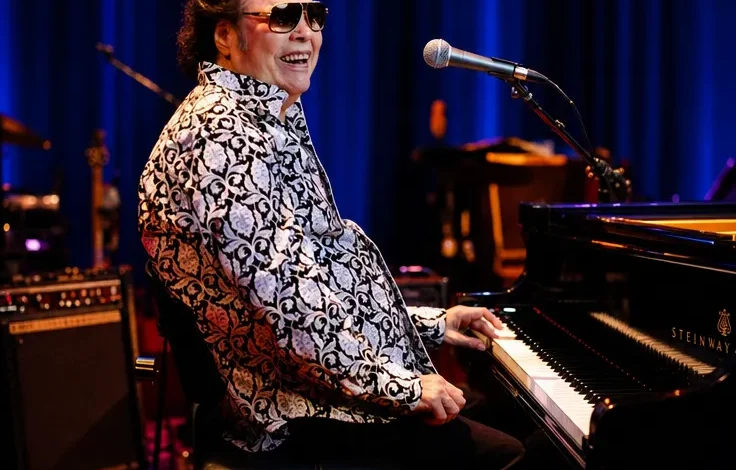
By the late 1970s, Ronnie Milsap had become one of country music’s brightest stars. Born nearly blind in North Carolina, he overcame extraordinary challenges to build one of the most successful careers in Nashville history. Long before his breakthrough, Milsap studied classical music and developed remarkable piano skills, giving him a musical versatility few country artists possessed. His ability to blend country, pop, soul, and rhythm and blues helped create a sound that appealed to listeners of every generation.
“Nobody Likes Sad Songs” showcased another side of his artistry.
Rather than relying on dramatic lyrics or overwhelming emotion, the song quietly explores a simple contradiction. People often claim they don’t enjoy sad songs, yet they return to them again and again because those songs remind them of real life. Love, loss, memories, and longing are emotions everyone eventually experiences, and music allows people to revisit those moments in a way that somehow brings comfort instead of pain.
Milsap’s vocal performance is beautifully understated.
His smooth voice carries warmth without ever becoming theatrical. Every lyric feels sincere, as though he is sharing a personal conversation instead of performing before thousands of listeners. That authenticity became one of the hallmarks of his career and one of the reasons fans remained so devoted to him for decades.
The production perfectly reflects the elegant Nashville sound of the era.
Gentle piano, steel guitar, soft strings, and subtle percussion surround Milsap’s voice without overwhelming it. The arrangement leaves plenty of space for the lyrics to breathe, allowing listeners to focus on the story rather than the instrumentation. It’s a masterclass in restraint and emotional storytelling.
Although the song wasn’t as commercially massive as some of Milsap’s biggest number-one hits, it quickly became a favorite among longtime fans. Many admired its honesty and emotional maturity, appreciating a song that acknowledged something universally true: music often helps people heal because it understands feelings that words alone cannot express.
Over the years, “Nobody Likes Sad Songs” has continued finding new audiences through classic country radio, streaming playlists, and collections celebrating Ronnie Milsap’s remarkable career. It remains a shining example of the thoughtful songwriting and heartfelt performances that defined country music during its golden era.
The recording also highlights what made Ronnie Milsap so special.
He never needed to shout.
He never needed elaborate production.
He simply trusted the song—and trusted the listener.
That quiet confidence became one of his greatest gifts.
Today, nearly half a century after its release, “Nobody Likes Sad Songs” still reminds us why music holds such a powerful place in our lives.
The happiest songs may make us smile.
But the saddest songs…
often help us remember.
And perhaps that’s exactly why…
we keep coming back to them.
Listen to the full song here:
Credits: RonnieMilsap01