The Hollies’ ‘Carrie Anne’ Captures 1967’s Spirit of Pop Innovation and Expands the Sound of British Rock
Released in May 1967, “Carrie Anne” by The Hollies arrived at a time when pop music was undergoing rapid evolution—and it fit the moment perfectly.
Bursting with radiant vocal harmonies, melodic charm, and a surprising steel drum solo, the song represented both a nod to the group’s Merseybeat roots and a bold step into new musical territory.
It quickly climbed the UK Singles Chart, peaking at No. 3.
The Hollies – Wikipedia
The song also became a hit across Europe and in North America.
In the United States, it reached No. 9 on the Billboard Hot 100.
More than just another catchy single, “Carrie Anne” became a landmark for the band’s sound.
It also stood as a symbol of 1967’s creative pop explosion.
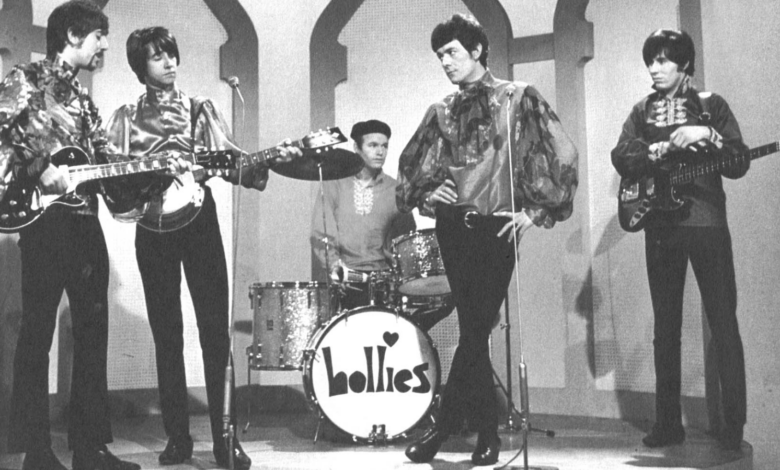
The Hollies, formed in Manchester in the early 1960s, had steadily built a reputation for their infectious vocal interplay and crisp songwriting.
Fronted by Allan Clarke, with Graham Nash and Tony Hicks providing vocal and instrumental brilliance, the group stood out from other British Invasion acts.
Their polished harmonies and bright arrangements became their signature.
By the time “Carrie Anne” was released, they had already scored several hits.
Songs like “Bus Stop” and “Look Through Any Window” had cemented their popularity.
This new single, however, showcased their ability to balance commercial appeal with artistic growth.
According to band members, “Carrie Anne” was inspired by a real woman.
Her true identity, however, has long been debated.
Some fans speculated it was a coded tribute to Marianne Faithfull.
Others believe it simply reflected a common coming-of-age story.
The song portrays a woman admired from afar.
Written by Clarke, Nash, and Hicks during a tour, the track cleverly disguised adolescent longing with poetic subtlety.
This approach made it feel both playful and emotionally authentic.
Its lyric, “You’re no good for me, but free of you, I’ll never be,” captured the internal tug-of-war of youthful romance.
The production of “Carrie Anne” was handled by Ron Richards.
He had worked closely with The Hollies since their early days.
The recording took place at EMI’s Abbey Road Studios.
The session produced one of the most memorable instrumental moments in 1960s pop.
A steel drum solo appeared in the bridge.
This Caribbean flavor was highly unconventional in British pop at the time.
It added a whimsical, summery texture that surprised listeners.
The unexpected sound helped the track stand apart.
Combined with flawless vocal layering and jangly guitar lines, the result felt adventurous yet accessible.
The Hollies – IMDb
“Carrie Anne” received glowing reviews upon release.
Critics praised its melodic sophistication and production innovation.
The single sold strongly in both the UK and the US.
It earned The Hollies further recognition on the international stage.
Despite competition from groundbreaking releases of the era, the song carved out its own place.
It succeeded thanks to its freshness and charm.
“Carrie Anne” became a radio favorite.
It proved that harmony-driven pop still had a place in the psychedelic era.
Culturally, the song marked a moment of expansion for British pop.
It moved beyond traditional rock and roll formulas.
Its flirtation with exotic instrumentation reflected growing genre openness.
Softer emotional themes also played a role.
Though not overtly radical, the song helped normalize experimentation in mainstream pop.
It broadened what was acceptable on top 40 radio.