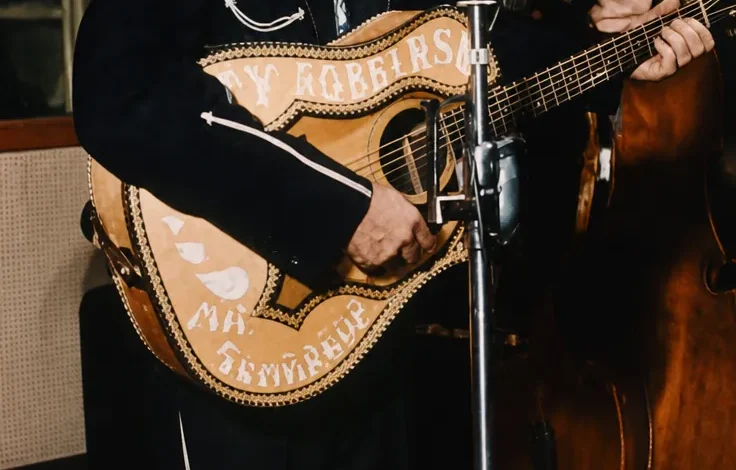
The Marty Robbins Hit That Accidentally Changed Music Forever
When Marty Robbins released “Don’t Worry” in 1961, audiences immediately fell in love with its emotional lyrics and his unmistakable voice. But while fans were captivated by the story of heartbreak, musicians were paying attention to something else entirely. Hidden within the recording was a happy accident that would forever change the sound of popular music and inspire generations of guitarists.
Written by Marty Robbins, the song tells the story of a man trying to comfort the woman he loves after their relationship has reached its end. Instead of expressing anger or bitterness, he gently tells her not to worry about him, even though it’s clear his heart is breaking. Like many of Robbins’ finest songs, the emotion comes not from dramatic words, but from quiet honesty.
That simple approach made the song incredibly powerful.
Listeners recognized the narrator’s attempt to hide his own pain so someone else wouldn’t feel guilty. It’s a selfless kind of heartbreak that country music has always understood so well, and Robbins delivered every line with remarkable warmth and sincerity.
By 1961, Marty Robbins was already one of the biggest stars in country music.
Born in Arizona, Robbins had become famous for his versatility. He could sing western ballads, love songs, rockabilly, gospel, and traditional country with equal ease. Hits like “El Paso,” “A White Sport Coat,” and “Big Iron” had already established him as one of Nashville’s most respected performers. “Don’t Worry” added another unforgettable chapter to an extraordinary career.
The recording session itself became legendary.
While guitarist Grady Martin was recording the song, a faulty channel in the studio’s mixing console accidentally distorted his bass guitar. Instead of stopping the session, producer Don Law decided to keep the unusual sound. That fuzzy, buzzing tone was unlike anything listeners had heard before and is now widely recognized as one of the earliest examples of the fuzz guitar effect. Within a few years, guitarists around the world were deliberately trying to recreate the sound that had happened purely by accident.
The rest of the arrangement remained beautifully understated.
Gentle acoustic guitar, steel guitar, piano, bass, and soft percussion provide the perfect backdrop for Robbins’ smooth vocal performance. The unexpected distorted guitar appears only briefly, yet it became one of the most talked-about moments in recording history.
The public embraced the song immediately.
“Don’t Worry” reached No. 1 on the Billboard Hot Country Singles chart and also became a major crossover success, climbing into the Top 5 of the Billboard Hot 100. It added another milestone to Robbins’ remarkable career while quietly introducing a sound that would later influence rock, country, and countless other genres.
Today, the song is remembered for two reasons.
Country music fans still cherish it as one of Marty Robbins’ finest heartbreak performances, while musicians continue to celebrate it as the recording that accidentally introduced the world to fuzz guitar. Very few songs can claim both musical excellence and historical importance, making “Don’t Worry” a truly unique classic.
Perhaps that’s why it still deserves to be heard.
Some songs…
Touch the heart.
Some songs…
Change history.
And every once in a while…
One recording…
Does both…
Without even trying.
Listen to the full song here:
Credits: MikeHorn