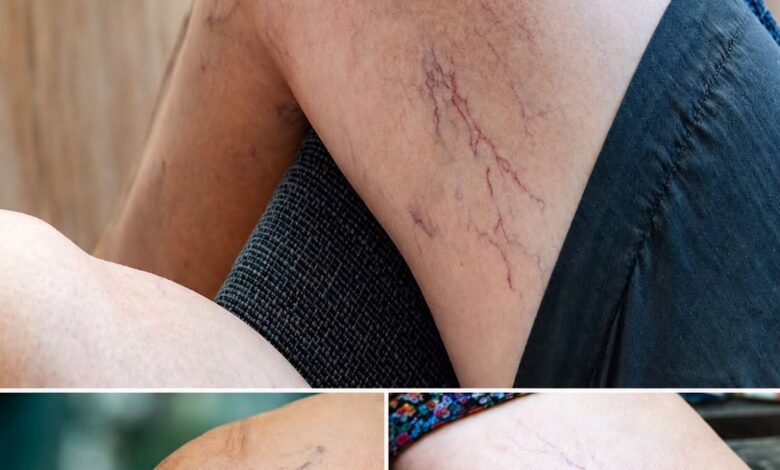
Purple Veins on Your Legs What They Mean Common Causes and When to See a Doctor
Purple, blue, or reddish veins that become visible on the legs are extremely common. In many cases they are spider veins, small blood vessels close to the skin that have widened enough to be seen. They may form delicate branches or web-like patterns on the thighs, calves, ankles, or behind the knees. Most are not dangerous, but their appearance can sometimes accompany symptoms that deserve medical attention.
Spider veins are different from larger varicose veins. Varicose veins are often raised, twisted, or rope-like, while spider veins usually remain flat. Both can develop when the system that helps blood return upward through the legs is under strain. Veins contain one-way valves. When those valves do not work efficiently, blood can pool and pressure can build, making vessels more prominent.
Age is one common factor because vein walls and valves can weaken over time. Family history matters as well. A person whose parents or close relatives developed spider or varicose veins may be more likely to notice them. Pregnancy and other hormonal changes can affect veins, while carrying extra weight may increase pressure on the legs. Long periods of sitting or standing can also make circulation less efficient.
Many people have no discomfort at all and are concerned only about appearance. Others report aching, heaviness, burning, throbbing, itching, nighttime cramps, mild ankle swelling, or tired legs after standing. These symptoms do not prove that a serious circulation problem is present, but they provide useful information for a healthcare professional. Note when the symptoms occur, whether elevation helps, and whether one leg differs from the other.
Certain changes should not be treated as a cosmetic issue. Persistent swelling, pain that worsens through the day, skin discoloration around the ankles, thickened or hardened skin, or a sore that heals slowly can be associated with chronic venous insufficiency. A clinician may examine the legs and, when necessary, use an ultrasound to look at blood flow and valve function.
Sudden swelling, warmth, redness, or significant pain in one leg can signal a blood clot and requires prompt medical evaluation. Sudden shortness of breath, chest pain, fainting, a rapid heartbeat, or coughing blood can be signs of a clot that has traveled to the lungs and needs emergency care. Spider veins themselves do not mean a clot is present, but these acute symptoms should never be ignored.
Daily movement can help the calf muscles push blood upward. Walking, changing position regularly, and avoiding hours of uninterrupted sitting or standing may reduce pressure. When resting, elevating the legs can ease swelling for some people. Maintaining a weight that is healthy for the individual may also reduce strain. These habits support circulation, although they cannot eliminate genetic or age-related risk.
Compression stockings can help certain people with aching or swelling, but the correct pressure and fit matter. They are not appropriate for every circulation problem, so professional advice is useful before relying on them. Tight clothing, supplements, creams, or home remedies cannot repair a poorly functioning vein valve. Be cautious of products that promise to erase veins permanently without a medical procedure.
For people bothered by appearance or persistent symptoms, treatments may include sclerotherapy, laser treatment, radiofrequency procedures, or vein ablation. The best choice depends on the size and location of the vessels, symptoms, medical history, and whether deeper veins are involved. A dermatologist, vascular specialist, or other qualified clinician can explain likely benefits and risks.
Visible purple veins usually mean that small surface vessels have become enlarged, not that one specific disease is certain. The sensible response is to consider the full picture. Painless, stable spider veins may need no treatment. Veins accompanied by ongoing swelling, skin changes, ulcers, or pain deserve an assessment, while sudden one-sided symptoms require urgent care. Paying attention without panic allows common cosmetic changes and genuine vascular warning signs to be handled appropriately.