Dolly Parton Once Revealed the Life-Changing Discovery That Came After Her Surgery — and Why She Never Regretted It
Dolly Parton built a life so full that one deeply personal absence could easily get lost in the glitter, hit songs and endless business ventures. But behind her extraordinary career was a private turning point that changed the way she viewed motherhood — and, ultimately, helped shape the legacy she left to children around the world.
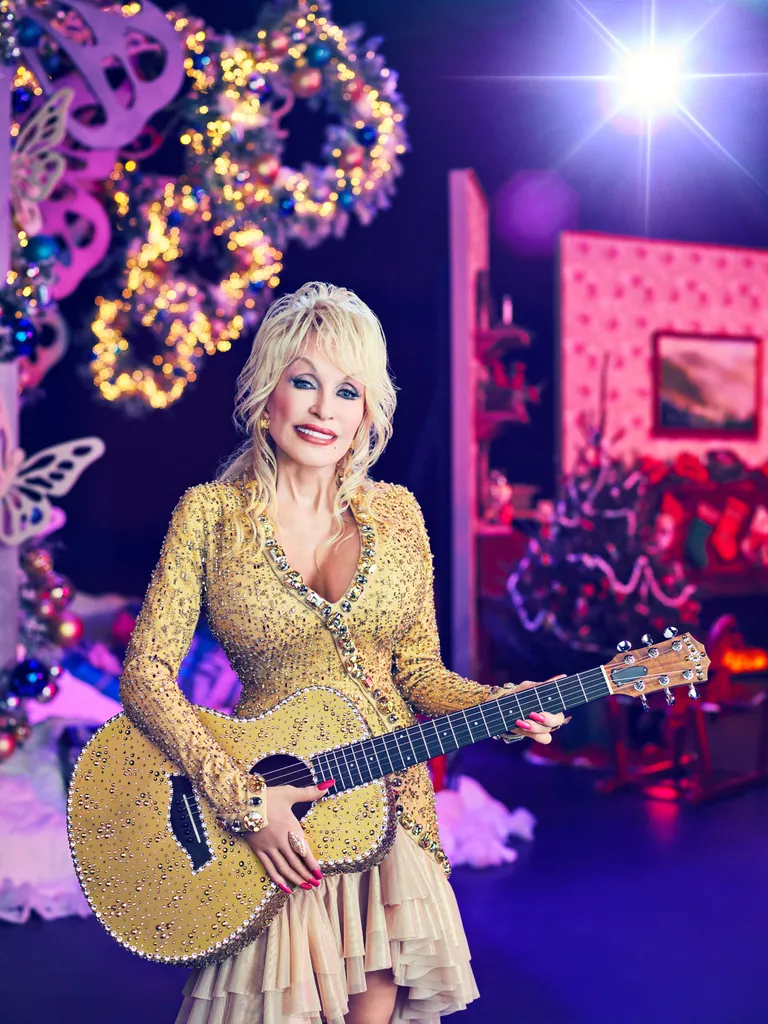
Parton arrived in Nashville as an 18-year-old aspiring musician and quickly began building the career that would eventually make her one of country music’s most recognizable figures.
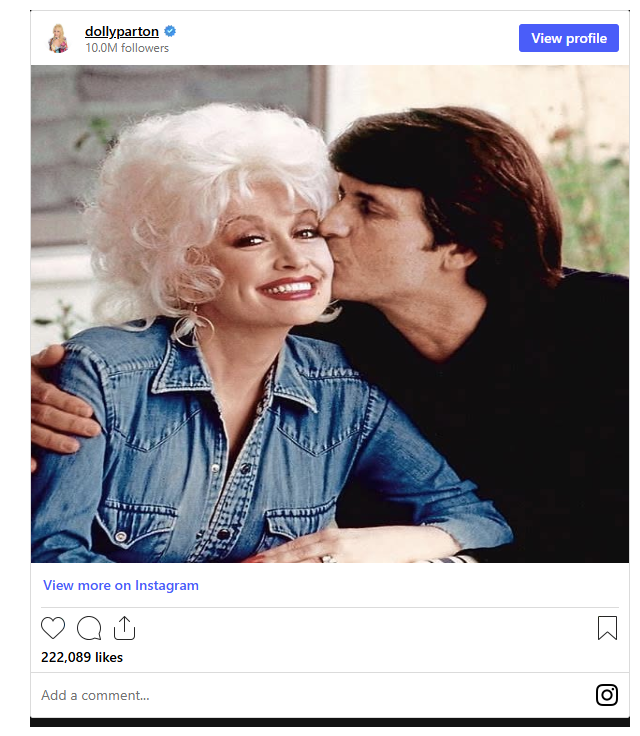
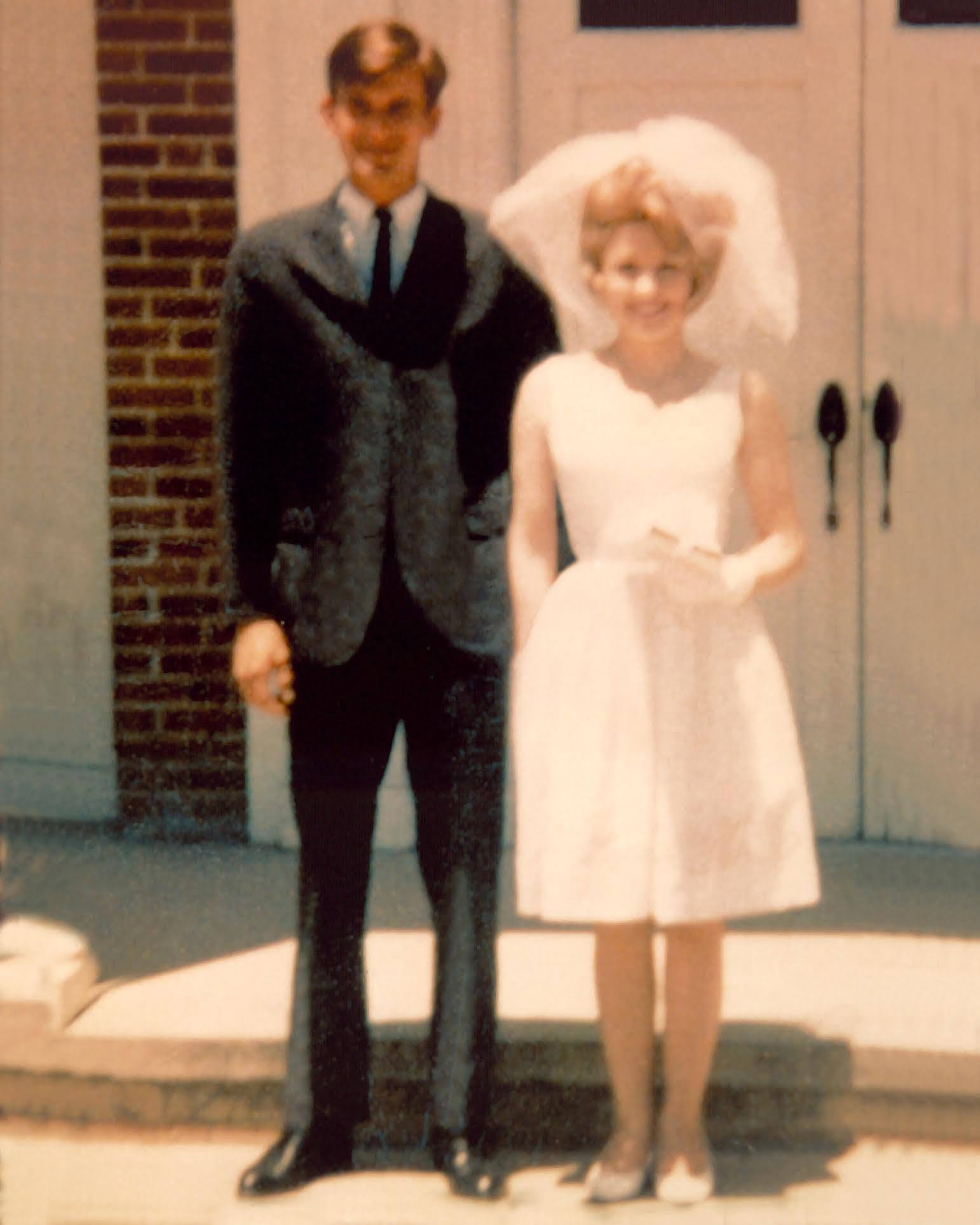
She married Carl Dean in 1966, shortly after arriving in Nashville, and their relationship remained remarkably private throughout their nearly six decades together, according to a 2003 interview with Rolling Stone.
The Interview Where Parton Finally Explained What Happened
In the 2003 interview with Rolling Stone, Parton looked back on the period in the early 1980s when her life had reached a particularly painful point. After almost collapsing onstage in Indianapolis, she underwent surgery in 1982 for what she described as “female problems, hormonal disorders.”
The physical problems were accompanied by a serious emotional struggle. Parton said she was depressed, overweight and dealing with turmoil in her professional life, at one point filling notebooks with thoughts such as, “Why should I commit suicide? I’m waking up dead every day.”
Her eventual work on Rhinestone with Sylvester Stallone helped pull her out of that dark period. “Even though the movie didn’t do that well, that was one of my greatest projects,” Parton said. “Because Stallone was so full of life, and so crazy and so funny, and he made me laugh a lot, which was real healthy for me. That movie got me back on track.”
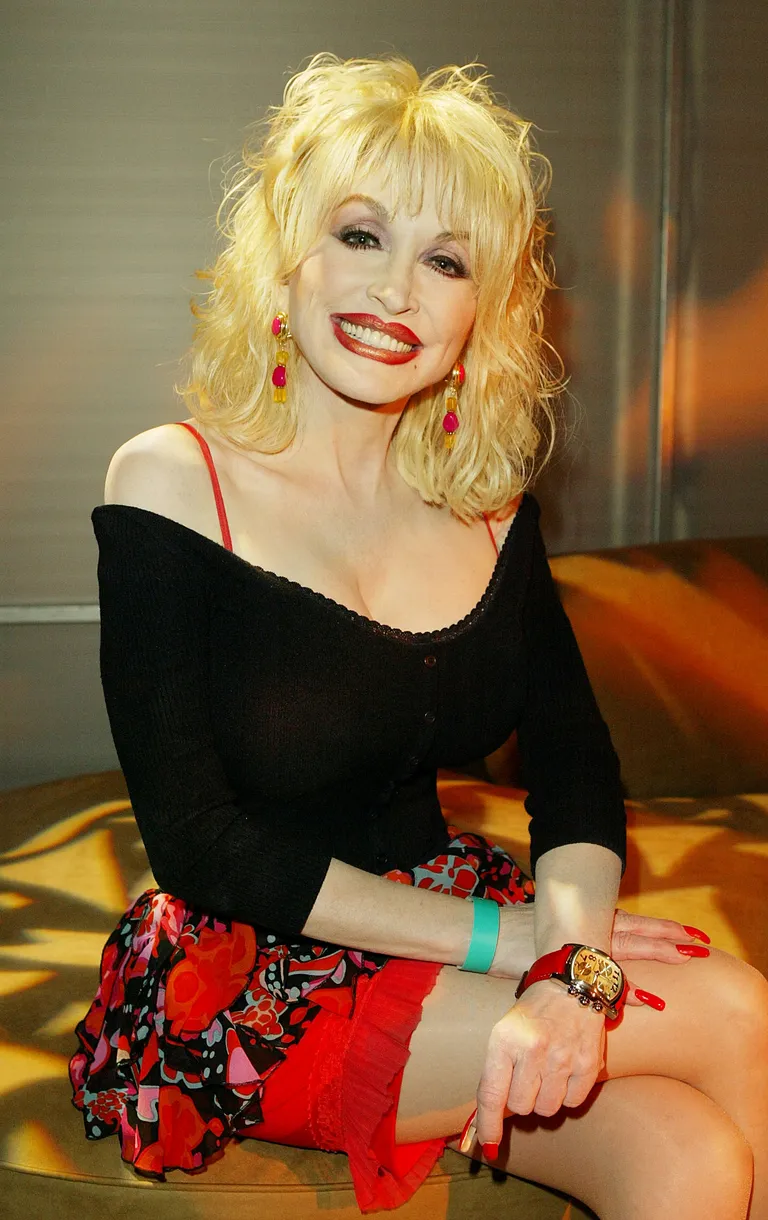
But something else came to light soon afterward. Parton discovered that she could not have children. It was a revelation that could have permanently changed how she viewed her future.
Instead, Parton said she gradually came to see it differently. “I just think, you know, it ain’t meant for some people to have kids,” she said. Then she explained why she and Dean eventually came to terms with it.
“I don’t regret it. My husband don’t regret it. He’s like my only child; I’m like his only child. And the older we get, the gladder we are that we don’t have them now, because we take care of a lot of other people’s kids. We buy new cars for all the nieces and nephews that graduate, we send any to college that want to go.”
That answer revealed something much more complicated than simple acceptance. Parton was not saying that having children did not matter. She was saying that the life she and Dean had built had become meaningful enough that she no longer viewed their childlessness as something missing from it.
Her Marriage Took on a Different Meaning
Parton’s description of Dean as her “only child” was playful, but it also reflected the unusual rhythm of their marriage. While Parton spent decades constantly working, Dean maintained his independence and stayed largely out of the machinery surrounding her fame.
That dynamic was something Dean had made clear from nearly the very beginning. In a December 2024 appearance on Bunnie XO’s Dumb Blonde podcast, Parton recalled begging Dean to attend an awards show shortly after they married. She had rented him a tuxedo for the event, but his discomfort was unmistakable.
“As soon as he hit the door, he started pulling off stuff,” she said. By the end of the night, he had made himself plain, saying, “‘Look now, I want you to do everything you want to do, and I wish you the best, but don’t ever ask me to go to another one of these damn things cuz I ain’t going.’ And he never did.”
Parton added that Dean did not even like going out to big dinners, so even on anniversaries and special occasions, they would usually stay home and make something special together instead.
The couple had their own routines and separate interests, allowing Parton to maintain an extraordinary workload without having to structure her career around raising children.
That freedom became increasingly important as her career expanded. By the time Parton spoke with Rolling Stone, she had already spent decades performing, writing thousands of songs, making movies and building ventures including Dollywood.
She was still refusing to slow down. “I feel like a child,” she said in the interview. “Seriously, I do. I don’t feel any different than I did when I walked down these streets the first time I came to Nashville, in 1964.” Her life, in other words, had not become smaller because she did not have children. It had become extraordinarily full in other ways.
Years Later, She Explained Why She Didn’t Miss It
Parton’s later comments showed that her acceptance of childlessness was not simply something she had said once in the aftermath of surgery. In a later Saga Magazine interview, Parton was asked directly whether she regretted never having children after such a long marriage.
Her answer was strikingly straightforward. “I haven’t missed it like I thought I might,” she admitted. She explained that when she and Dean were young, having children was something they assumed might happen, but it was never an overwhelming desire for her.
“When you’re a young couple, you think you’re going to have kids, but it just wasn’t one of those burning things for me,” she said. “I had my career and my music, and I was travelling.”
Parton also recognized that motherhood would almost certainly have changed the trajectory of her career. “If I’d had kids, I’d have stayed home with them, I’m sure, and worried myself to death about them,” she said.
Then she added another thought that showed how much her perspective had evolved. “With everything that’s going on, I’d hate to be bringing a child into this world right now.”
It was not a statement of regret. If anything, it suggested that Parton had become comfortable enough with the path her life had taken to imagine that another path might never have suited her.
In fact, in a 2014 interview with The Guardian, Parton revealed that she and Dean had once talked in detail about the children they imagined they might have — including what those children might look like.
“You always wonder,” she said. “My husband and I, when we first got married, we thought about if we had kids, what would they look like? Would they be tall — because he’s tall? Or would they be little squats like me?”
She even had a name ready for a daughter: Carla. “Anyway, we talked about it, and we dreamed it, but it wasn’t meant to be. Now that we’re older? We’re glad.” When the interviewer asked why, Parton’s answer cut to the heart of what her life had become:
“I would have been a great mother, I think. I would probably have given up everything else. Because I would’ve felt guilty about that, if I’d have left them [to work, to tour]. Everything would have changed. I probably wouldn’t have been a star.”
The Children Parton Believed Were Meant to Be Hers
The clearest expression of that philosophy came through one of Parton’s most important philanthropic projects. She founded the Imagination Library, which grew into an international program providing books to young children.
According to the Saga interview, the initiative had given more than 300 million books to children worldwide. Parton had a simple explanation for why she believed the program existed. “I always say God didn’t let me have children so that all kids could be mine.”
Rather than defining herself by the children she never had, Parton began to define motherhood much more broadly. And that idea became even clearer when she later sat down with Oprah Winfrey.
Then Parton Explained the Sacrifice Behind Her Success
During her appearance on The Oprah Conversation, Winfrey asked Parton whether becoming Dolly Parton had required sacrifices. Parton did not deny it. “No, I’ve made sacrifices, but there, I think, like I say, I believe that I know what I’m supposed to do,” she said.
She described giving up time with family and friends, vacations and the ordinary breaks that come with a less demanding life. “Work without end 24-7, 365,” she said.
But then she connected that sacrifice directly to the fact that she had never become a mother: “I didn’t have children because I believe that God didn’t mean for me to have kids so everybody’s kids could be mine, so I could do things like the Imagination Library.”
Parton went on to explain that Dean’s independence and the absence of children gave her an extraordinary amount of freedom. “Since I had no kids, and my husband was pretty independent, I had freedom,” she said.
She believed that freedom had been fundamental to what she accomplished. “So I think a big part of my whole success is the fact that I was free to work,” Parton said. She then made the connection even more directly. “Because if I hadn’t had the freedom to work, I wouldn’t have done all the things I’ve done. I wouldn’t have been in a position to do all the things I’m doing now.”
In Parton’s own words, the decision had ultimately become something she could look back on without regret.
But by the final year of her life, a very different personal chapter was unfolding — one that would keep her largely out of the public eye and leave fans wondering what was really happening behind the scenes.
Her Final Years Put That Legacy in a Different Light
As we previously reported, the country icon had spent much of her final period away from the public eye as she dealt privately with serious health problems. Dolly Parton died on Tuesday, August 25, 2026, at age 80, at Nashville’s Vanderbilt-Ingram Cancer Center.
Her representatives confirmed that her death followed a “brief battle with cancer,” though the specific type was not disclosed.
Her nephew, Bryan Seaver, broke the news in an emotional Instagram video, identifying himself as “her head of security for more than two decades.” He said the video was something Parton herself had asked him to record years earlier, “before I fully absorbed it as a future reality.”
Seaver described the moment as carrying both “absolute pride and great sadness,” adding that the sadness belonged to those left behind — “not with Dolly.”
The Warning Signs Fans Missed
Parton had been open, to a point, about health struggles tied to grief. Her husband of nearly 60 years, Carl Dean, died on March 3, 2025, at age 82, and she later admitted the loss had taken a toll she hadn’t fully reckoned with.
A 2025 report confirmed that Dean was last seen in public in December 2019 in Brentwood, Tennessee, a little more than five years before his death.
Then, in July 2026, tragedy struck again: her older brother, Coy “Denver” Parton, passed away. Just four days before her own death, Parton gave what would become her final interview, telling People she was “dealing with some health issues” she hadn’t prioritized while caring for Dean.
She downplayed the severity, insisting, “it’s not like I haven’t been through hard times with my health before.” She was admitted to the hospital that same Friday, August 21. She died four days later
What She Wasn’t Telling Fans
But according to insiders who spoke to the Daily Mail, the public version of events was far from the full story. Sources say Parton had been seriously ill for months — not weeks — and had deliberately kept the truth from all but a tight inner circle.
“She didn’t want the world to know that she was very sick,” one source revealed.