What the Missing Girl in the Woods Reel Leaves Unanswered
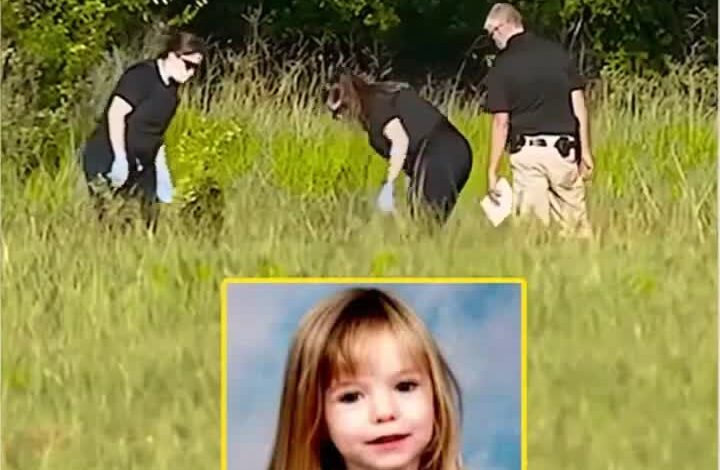
A Facebook reel shows people searching or examining an area next to trees. It pairs the footage with a separate portrait of a child and a caption that says a missing girl was found in the woods. The version recovered from the video link gives no complete account of what happened. It supplies no name for the child, no location for the footage and no statement from an agency that handled the search. The connection between the portrait, the search footage and the caption remains unverified.
Those elements make three separate claims. First, there would need to be an identifiable missing person report. Second, the search footage would need to be dated and located. Third, there would need to be an announcement about what happened to the child. Finding a similar image or headline elsewhere cannot fill those gaps. A photograph can circulate for years in stories about several different cases. Without its original context, there is no reliable way to connect the girl in the portrait to the people in the video.
The caption also trails off while referring to the child’s mother. That fragment does not describe an action or establish a role. Completing the sentence by borrowing from another page would add a claim that the reel does not support. Reports with closely matching headlines describe incompatible outcomes. Some say rescuers found a child alive, while others describe a death or a separate investigation. The similarity of the wording tells us little about which, if any, belongs to this video.
In a documented search, different updates can record different stages of the same case. An appeal for information may describe where a person was last seen and give a reference number. A later notice may say the appeal has ended or that a person has been located. That update may also be written to protect the privacy of a child and their family. It should be read using the date and details issued by the agency or organization involved. The reel does not provide enough of those details to find and match such an update.
The moving images also tell us less than an edited sequence might suggest. The people visible near the trees are shown looking down and moving through the area. The clip does not show them finding a child, speaking with relatives or announcing an outcome. The portrait appears alongside the footage as a separate element. Editing can put two images on the same screen without establishing that they came from the same place, time or case.
That leaves a narrow account of what can be described accurately. A short video circulated with a missing-child caption and an inset portrait. The caption suggests a discovery and mentions a mother, but supplies no evidence for either detail. The recovered material provides no usable confirmation of the child’s identity, the place being searched or the outcome of any particular case. Until a dated, attributable report connects those elements, the clip should be understood as an unverified claim about a search.