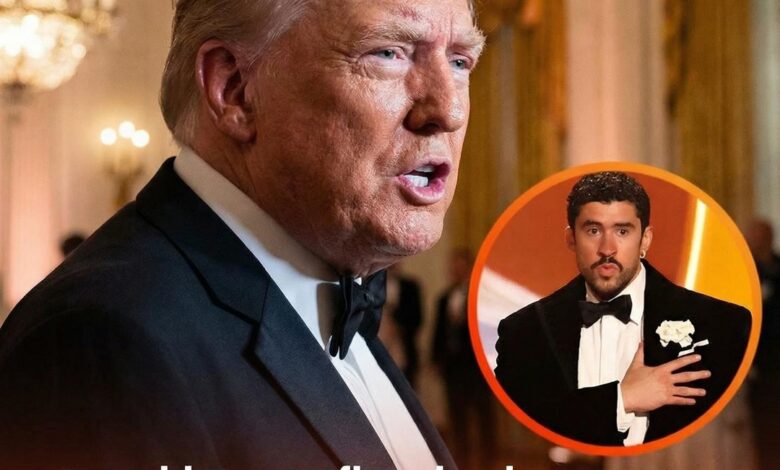
Music, Politics, and Spotlight Moments: Trump Reacts After Grammys Spark Immigration Debate
What began as a night meant to celebrate music’s biggest achievements quickly turned into one of the most talked-about cultural moments of the year. The latest Grammy Awards in Los Angeles delivered not only trophies and performances, but also powerful messages that rippled far beyond the stage. As cameras rolled and millions watched worldwide, several artists used their time in the spotlight to touch on unity, identity, and immigration — transforming the ceremony into a broader conversation about life beyond music.
One of the evening’s standout moments came from Bad Bunny, who made history with a major win and spoke about compassion and togetherness. His words resonated strongly with audiences, earning loud applause inside the venue and fueling intense discussion across social media afterward. While many praised artists for speaking openly about issues close to their lives and communities, others questioned whether award shows should serve as platforms for social commentary.
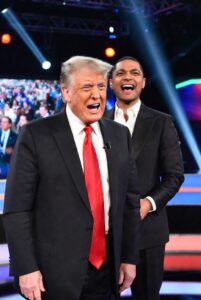
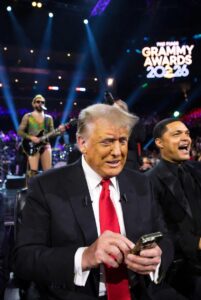
The reaction soon reached the political arena. Former president Donald Trump responded publicly, criticizing what he described as the increasing politicization of entertainment events. He also addressed remarks made by the show’s host, Trevor Noah, who delivered satirical jokes referencing political figures during the broadcast. Trump denied claims tied to those jokes and suggested he was exploring legal options, a response that quickly drew media attention and reignited debate over comedy, free expression, and public figures.
At the same time, focus has shifted toward the upcoming Super Bowl, where Bad Bunny is set to appear in a high-profile performance. Discussions around the event have included confirmation of heightened security, including the presence of immigration enforcement as part of standard planning. Officials have emphasized that lawful attendees should feel safe, though the announcement has sparked mixed reactions among fans and advocates. Together, the Grammys and Super Bowl illustrate how today’s major cultural events often serve as stages not just for entertainment, but for ongoing national conversations — whether welcomed or contested by those watching.