A LEGEND OF STAGE AND SCREEN!
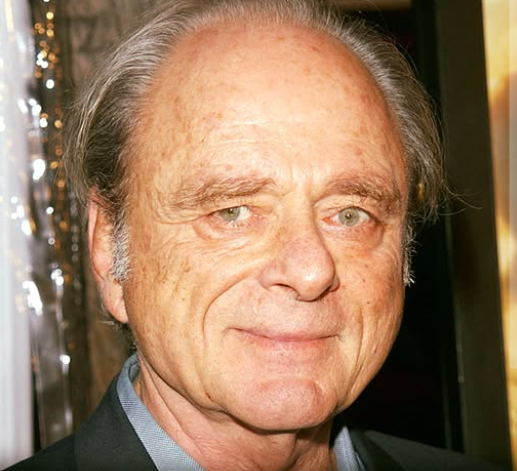
A singular presence in American acting has come to rest. Harris Yulin died at the age of 87 in New York City, closing a life devoted not to fame, but to the disciplined, enduring work of performance. His passing, attributed to cardiac arrest, was met with a quiet wave of respect across film, television, theater, and the classrooms where he shaped future artists.
Yulin’s career spanned decades, not as a pursuit of stardom, but as a sustained commitment to craft. He was the kind of actor whose authority did not come from volume or spectacle, but from precision. Whether on screen or stage, he brought gravity to every role, inhabiting characters fully and without concession. Audiences recognized him not because he sought attention, but because his work demanded it.
His film and television credits traced the arc of modern American storytelling: Ghostbusters II, Scarface, Training Day, Frasier, and Ozark. In each, he anchored scenes with a steadiness that elevated those around him. He was rarely the loudest figure in a frame—but often the most memorable.
Beyond the screen, Yulin’s devotion to the art form found its fullest expression in teaching. At Juilliard School, he passed on not only technique, but ethos: that acting is a responsibility, not a shortcut to recognition. Students and colleagues alike described him as exacting, generous, and deeply serious about the moral weight of the work. Director Michael Hoffman once called him “one of the greatest artists,” a praise rooted not in sentiment, but in observation.
He is survived by his wife, actress Kristen Lowman, and by a community of performers who carry his influence forward—in rehearsal rooms, classrooms, and moments of quiet preparation before stepping into the light.
Harris Yulin’s legacy is not measured by headlines or awards alone, but by continuity. By the way his work still teaches restraint. By the way his students still listen before they speak. By the way his performances remind us that seriousness of purpose can coexist with humanity.
A life like his does not end with applause. It settles into memory—steady, instructive, and enduring.