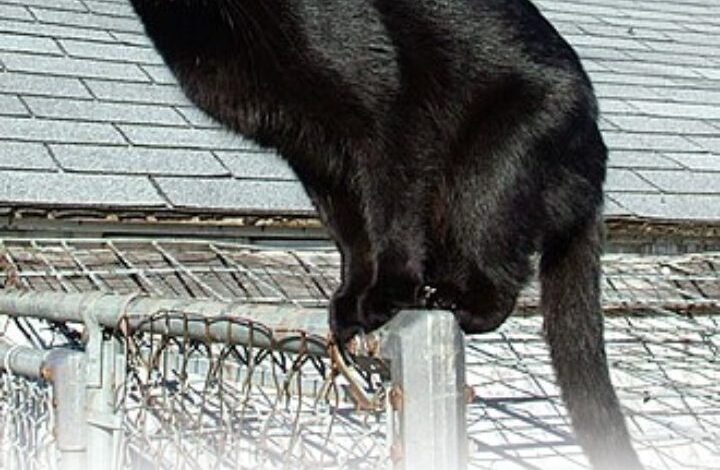
What does it mean to meet a black cat?
Black cats have long occupied a strange and powerful place in the human imagination. Few animals inspire such a mix of fascination, affection, fear, and symbolism. To some, they are elegant and mysterious companions. To others, they remain wrapped in centuries-old superstition. When a black cat appears in someone’s life—especially when it crosses a path or enters a home—it often sparks questions that go far beyond the practical: What does this mean?
For much of history, black cats were never “just pets.” Their sleek appearance, glowing eyes, and quiet movements made them seem otherworldly, particularly in societies that explained the unknown through myth and spiritual belief. Over time, those myths hardened into superstition, and not always kindly.
In medieval Europe, black cats became closely associated with witchcraft. They were believed to be familiars—supernatural companions that served witches—or even witches themselves in animal form. From this belief came the enduring idea that a black cat crossing your path was a bad omen. Some traditions claimed that misfortune could be avoided only if the cat retraced its steps, allowing the person to cross safely afterward. These stories spread widely and embedded themselves into popular culture, persisting long after their original religious and social contexts faded.
Despite their persistence, these ideas are myths—stories passed down and reinforced through fear rather than fact. Yet myths have consequences. Even today, black cats are adopted from shelters at lower rates than cats with lighter or patterned coats. Superstition still shadows them, subtly influencing human behavior even in modern, rational societies.
When a black cat enters your home, the explanation is usually far simpler than folklore suggests. It may be seeking food, warmth, safety, or companionship. Cats are curious animals, and a home can represent shelter or opportunity. A kitten may wander inside because it is hungry or lost. An adult cat may be drawn by familiar scents or a sense of calm. None of this implies curses, rituals, or supernatural interference.
That said, symbolism has always played a role in how humans interpret animal encounters. Across many ancient cultures, black cats were not feared at all. They were respected, protected, and even revered. In several belief systems, the black cat was associated with the night—not as something evil, but as something powerful, quiet, and feminine. Night represented intuition, protection, rest, and mystery rather than danger.
In spiritual traditions that focus on energy rather than superstition, black cats are often seen as guardians. They are believed to absorb or transform negative energy, acting as quiet sentinels within a space. Whether one takes this literally or metaphorically, the idea speaks to how people experience cats: calm, grounding presences that seem aware without being intrusive.
More broadly, when a cat enters your life—black or otherwise—it is often interpreted as a lesson in certain values. Cats embody independence, autonomy, and self-respect. Unlike animals bred for obedience, cats choose their relationships. They stay because they want to, not because they must. In that sense, their presence can be seen as a reminder to value freedom, boundaries, and mutual respect.
Historically, one of the most positive associations with cats comes from ancient civilizations, where their practical benefits were impossible to ignore. Cats protected food stores by hunting rodents and venomous animals, reducing disease and preventing famine. Households with cats often fared better, not because of magic, but because cats played a direct role in survival. Over time, this practical advantage evolved into symbolic meaning: cats became associated with prosperity, protection, and good fortune.
Their grooming habits also impressed early observers. A cat’s meticulous care for its own body was interpreted as a sign of purity and balance. This reinforced the belief that cats brought harmony into the home. Unlike other animals, cats did not consume stored grain, making them ideal companions in agrarian societies where food preservation was critical.
The black coat, in particular, became a canvas onto which humans projected meaning. Darkness has always been symbolic—sometimes feared, sometimes revered. Where fear dominated, black cats were cast as omens. Where wisdom prevailed, they were seen as protectors and symbols of hidden strength.
In modern times, many people have reclaimed the black cat’s image. Rather than representing bad luck, black cats are increasingly viewed as symbols of resilience, mystery, and quiet confidence. Their elegance and composure stand out, and their presence often feels intentional, as if they chose you rather than the other way around.
Ultimately, the meaning of meeting a black cat says more about the observer than the animal. Fear creates bad omens. Understanding creates appreciation. When stripped of superstition, a black cat is simply a cat—curious, intelligent, independent, and capable of forming deep bonds with those who treat it with care.
If a black cat crosses your path or steps into your home, it does not bring misfortune. It brings possibility. Perhaps it brings responsibility, if it needs help. Perhaps it brings companionship. Or perhaps it simply passes through, leaving you with a moment to question why certain myths still linger.
In the end, black cats are not symbols of darkness or danger. They are symbols of how easily fear can distort perception—and how quietly that perception can change when replaced with knowledge, empathy, and respect.