🚨 Massive Changes Are Coming to Grocery Prices in the US — Could This Hit Our Wallets Next?
Massive Changes Are Coming to Grocery Prices in the US — Could This Hit Our Wallets Next?
As we move deeper into 2026, American shoppers are facing a mixed but persistently challenging landscape when it comes to grocery prices. After years of sharp spikes during the post-pandemic recovery and amid global supply chain disruptions, many had hoped for significant relief under the current administration. President Donald Trump campaigned heavily in 2024 on promises to slash everyday costs “starting on Day 1,” with groceries often highlighted as a prime target. Yet, one year into his second term, the reality on supermarket shelves tells a more complicated story.
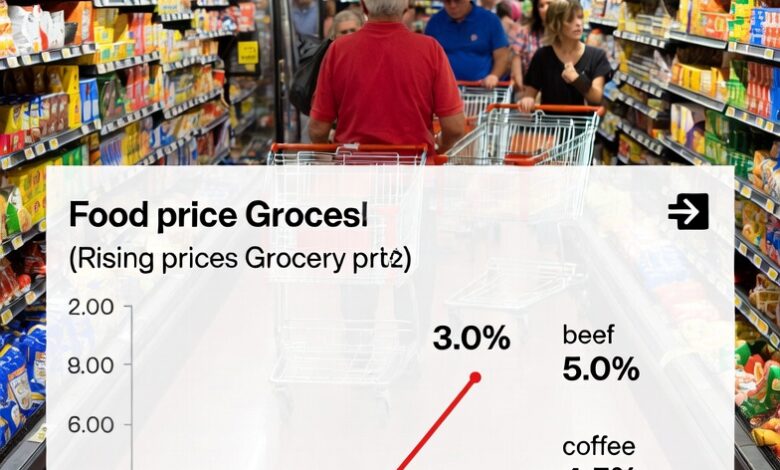
According to the latest data from the U.S. Department of Agriculture’s Economic Research Service (USDA ERS), released in January 2026, overall food prices are forecasted to rise by 3.0% throughout the year. This includes both groceries purchased for home consumption (“food-at-home”) and meals eaten away from home. While the headline number might sound moderate compared to the double-digit surges of 2022, it masks significant variation across categories — and the lingering effects of policy decisions that continue to ripple through the economy.
The Breakdown: What’s Going Up, What’s Coming Down
Food-at-home prices — essentially what you buy at the grocery store — are projected to increase by a relatively tame 1.7% in 2026, below the 20-year historical average of 2.6%. This slowdown offers some breathing room for households, driven largely by deflation in a few high-profile staples.
Eggs have seen dramatic relief: Prices are down sharply from their 2025 peaks, with some reports showing declines of up to 30% since early in the administration. This reversal stems from improved supply conditions after earlier avian flu outbreaks and production recoveries.
Dairy products are also trending slightly downward, with forecasts pointing to a modest -0.9% change for the category as a whole.
However, these bright spots are overshadowed by stubborn or accelerating increases in other essentials:
Beef remains one of the biggest pain points. Ground beef and other cuts have surged due to the smallest U.S. cattle herd in 75 years, compounded by weather impacts, feed costs, and border-related issues (including parasitic challenges affecting imports). Wholesale beef prices are expected to climb another 6.9% in 2026 after a 13.9% jump the previous year. Retail ground beef has already risen 15–19% in many regions since early 2025.
Coffee prices have jumped nearly 20% in some tracked baskets, fueled by poor global harvests (in Brazil and elsewhere) and trade frictions.
Fruits, vegetables, and imported goods like seafood, tropical produce (avocados, bananas), olive oil, and certain processed items are feeling upward pressure from multiple angles.
Overall food-away-from-home (restaurants, takeout) is set to rise much faster at 4.6%, outpacing the historical norm and reflecting higher labor and operational costs that businesses pass on to diners.
The Tariff Factor: A Policy-Driven Push on Prices
A major contributor to the uneven picture — and one that directly contradicts earlier promises of lower costs — is the administration’s aggressive tariff policy. Implemented in phases starting in 2025, these include broad import duties on goods from China, the EU, Mexico, Canada, and dozens of other trading partners. While exemptions exist for some food categories, more than half of imported food products still face added costs.
Analyses from sources like the Tax Foundation, Yale Budget Lab, and academic studies estimate that tariffs have added 0.5–0.7 percentage points to overall inflation, with direct hits to consumer goods. Imported items such as:
Coffee (from Brazil, Colombia)
Seafood and fish
Fruits and vegetables (e.g., Mexican avocados, tomatoes)
Alcoholic beverages
Olive oil and pasta (from Europe)
have seen noticeable markups. One study pegged the average annual household cost from tariffs at $1,000–$1,700, with groceries forming a substantial portion. Businesses, after initially absorbing some costs in 2025, are now passing more through to shelves in 2026, as evidenced by reports of retailers adjusting pricing strategies.
Critics, including Democratic lawmakers and think tanks like the Center for American Progress, argue that these measures — combined with immigration enforcement reducing agricultural labor supply — have made everyday life more expensive rather than less. Supporters counter that tariffs protect domestic industries and aim for long-term supply chain resilience, though short-term pain for consumers is acknowledged.
Broader Economic Context and What Shoppers Are Feeling
January 2026 CPI data showed food inflation easing slightly to 2.9% year-over-year (from 3.1% prior), but monthly changes remain volatile. In some cities like Chicago, a typical shopping cart rose double digits over the past year despite national moderation claims. Consumer sentiment reflects ongoing stress: Polls indicate groceries as a top worry, with many households reporting difficulties affording basics.
Climate change continues to play a role too — extreme weather affecting crops, cattle, and transport adds unpredictability. Labor shortages in farming and processing, transportation bottlenecks, and commodity volatility round out the pressures keeping prices elevated in key areas.
Could This Wave Reach Kosovo and the Balkans?
For readers in Pristina and across the region, the U.S. situation isn’t isolated. While Kosovo and neighboring countries rely far more on imports from the EU, Turkey, Serbia, and local production for staples (bread, dairy, meat, vegetables), global linkages mean spillover is possible.
Imported luxuries/non-essentials like coffee, tropical fruits, nuts, chocolate, processed foods, and certain oils often trace back to U.S.-influenced global markets or routes affected by tariffs.
A stronger U.S. dollar (often tied to tariff/trade dynamics) can make dollar-denominated imports pricier.
If commodity prices (e.g., grains, oils) rise globally due to U.S. policy or weather, local suppliers may adjust upward.
In Kosovo specifically, inflation has been moderate but food-driven in recent periods. The IMF’s 2026 outlook projects consumer prices stabilizing around 2% medium-term, assuming no major shocks. However, regional reports highlight food inflation concerns across the Balkans and Eastern Europe, with households in places like Romania and Bulgaria feeling sharper hits from similar global pressures.
The good news? Direct dependence on U.S. groceries is low, so the “massive changes” in America won’t translate one-to-one here. Local production, seasonal markets, and EU-aligned trade provide buffers. Still, in a interconnected world, sustained U.S. increases could nudge import costs higher over time — especially if energy prices or global freight rates follow suit.
Looking Ahead
Grocery prices in the U.S. aren’t crashing as promised, but they’re also not spiraling out of control like in 2022. The 2026 outlook points to moderation in some areas offset by persistent climbs in others, with tariffs and structural issues as key wildcards. For American families, smart shopping (bulk buys, seasonal choices, store brands) remains essential.
For those of us watching from afar, the lesson is vigilance: Global food systems are tightly linked. What starts as a tariff in Washington can eventually show up as a slightly higher price tag in Pristina. Monitoring USDA updates, commodity trends, and local market reports will help everyone stay ahead of the curve.
In the end, while the U.S. grocery story of 2026 is one of uneven relief rather than dramatic drops, it serves as a reminder that policy, nature, and economics often move in ways that hit wallets harder than headlines suggest. Stay informed, shop wisely — and perhaps stock up on those cheaper eggs while they last.