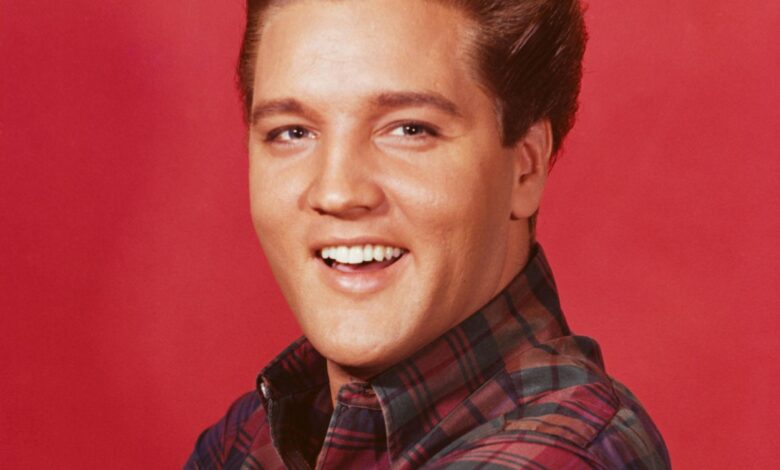
The King of Rock and Roll – A Cultural Phenomenon That Changed the World
 Elvis Aaron Presley remains one of the most influential and iconic figures in the history of music and popular culture. Born into poverty in the American South, he rose to become a global superstar whose voice, style, and rebellious energy shattered racial and social barriers, redefined youth culture, and laid the foundation for modern rock and roll. Often called the “King of Rock and Roll,” Elvis sold an estimated one billion records worldwide, starred in 33 films, and left a legacy that continues to captivate new generations more than four decades after his death.
Humble Beginnings in Tupelo and Memphis
Elvis Presley was born on January 8, 1935, in a modest two-room house in Tupelo, Mississippi. He was the surviving twin — his brother Jesse Garon was stillborn, a loss that deeply affected him throughout his life. His parents, Vernon and Gladys Presley, struggled financially, moving frequently and relying on welfare at times. In 1948, the family relocated to Memphis, Tennessee, where the vibrant musical scene on Beale Street would shape young Elvis forever.
Growing up, Elvis absorbed a rich mix of gospel music at church, country from the radio, and rhythm and blues from African American communities. He received his first guitar as a gift for his 11th birthday and taught himself to play. After graduating from Humes High School in 1953, he worked odd jobs while dreaming of a music career. That dream began to materialize in 1954 at Sun Records in Memphis.
The Sun Records Breakthrough and Rise to Stardom
Producer Sam Phillips was looking for a white singer who could bring the energy of Black rhythm and blues to a mainstream audience. When Elvis recorded “That’s All Right” in July 1954, lightning struck. His unique blend of country, blues, and gospel — paired with his energetic delivery — created something entirely new. With guitarist Scotty Moore and bassist Bill Black, Elvis released a string of hits on Sun that caught fire across the South.
In late 1955, his contract was sold to RCA Victor for $35,000. Under the management of Colonel Tom Parker, Elvis exploded onto the national scene in 1956. “Heartbreak Hotel” became his first No. 1 hit, followed by classics like “Don’t Be Cruel,” “Hound Dog,” and “Love Me Tender.” His appearances on The Ed Sullivan Show drew record audiences, though his provocative hip-swiveling dance moves scandalized conservative America and earned him nicknames like “Elvis the Pelvis.”
Military Service, Movies, and the 1960s
At the peak of his fame in 1958, Elvis was drafted into the U.S. Army. He served honorably for two years in Germany as a jeep driver, refusing special treatment. During this time, his beloved mother Gladys passed away in 1958, a devastating blow. Upon discharge in 1960, he returned to music with hits like “It’s Now or Never” and “Are You Lonesome Tonight?”
The 1960s saw Elvis shift focus to Hollywood. He starred in 31 feature films, including Blue Hawaii, Jailhouse Rock, and Viva Las Vegas. While many were formulaic, they kept him in the public eye and generated massive revenue. However, by the mid-1960s, his music career had cooled as British Invasion bands like The Beatles dominated the charts. Elvis grew frustrated with the lightweight movie roles and longed to return to live performing.
The 1968 Comeback Special: A Triumphant Return
In December 1968, Elvis staged one of the greatest comebacks in entertainment history with his NBC television special, now known as the ’68 Comeback Special. Dressed in a sleek black leather suit, he delivered raw, powerful performances of his early hits alongside new material like “If I Can Dream.” The special reminded the world — and himself — of his unmatched charisma and vocal power. It relaunched his career and led to a hugely successful residency in Las Vegas.
In the early 1970s, Elvis enjoyed renewed success with songs like “Suspicious Minds,” “In the Ghetto,” and “Burning Love.” He performed sold-out shows across America and became a Las Vegas icon, known for his extravagant stage costumes and powerful live performances.
Personal Life, Struggles, and Graceland
Elvis married Priscilla Beaulieu in 1967; their daughter Lisa Marie was born in 1968. The couple divorced in 1973. He lived at Graceland, his beloved Memphis mansion, which became a symbol of his success and remains a major tourist attraction today.
Behind the glamour, Elvis faced personal challenges. He developed a dependence on prescription medications, dealt with weight gain, and experienced health issues. On August 16, 1977, he was found unresponsive at Graceland and pronounced dead at age 42. The official cause was heart failure, complicated by his drug use.
Musical Innovation and Cultural Impact
Elvis didn’t invent rock and roll, but he popularized it like no one else. He fused Black rhythm and blues, white country, gospel, and pop into a thrilling new sound that crossed racial lines in a segregated America. His energetic performances and charismatic persona ignited a youth revolution and challenged social norms around sexuality and race.
He influenced countless artists, from The Beatles and Led Zeppelin to Michael Jackson and modern stars. Elvis holds records for the most Top 40 hits, most charted singles, and massive album sales. He earned three Grammy Awards (all for gospel music), a Grammy Lifetime Achievement Award, and inductions into multiple Halls of Fame.
Enduring Legacy
More than 45 years after his passing, Elvis Presley’s influence remains enormous. Graceland welcomes hundreds of thousands of visitors annually. His music is streamed by new generations, his image appears in films and fashion, and tribute artists keep his spirit alive worldwide.
Elvis embodied the American Dream — rising from poverty to unimaginable fame — while also reflecting its struggles. He was a trailblazer who brought joy, excitement, and cultural fusion to millions. As one of the most significant cultural forces of the 20th century, his voice still resonates, proving that the King’s reign is truly timeless.
“Rock ‘n’ roll music is basically gospel or rhythm and blues, or it sprang from that,” Elvis once said. Through his music, he united those worlds and changed popular culture forever.
Long live the King. 👑