The Feel-Good Classic That Refused To Grow Old
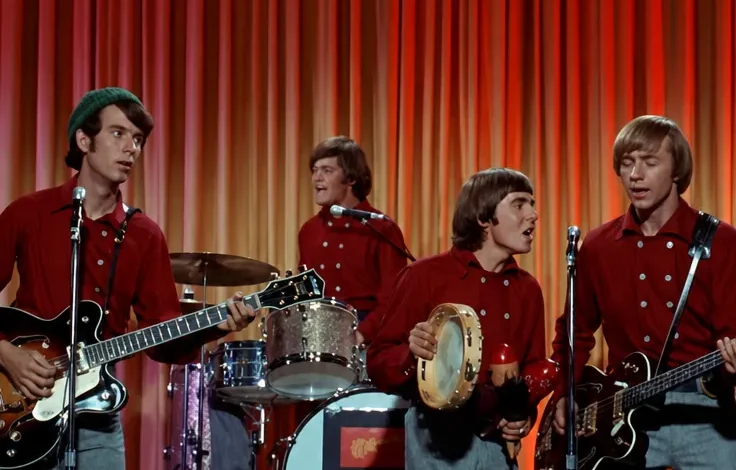
When “Daydream Believer” was released in October 1967, America was changing rapidly. The nation was experiencing social upheaval, political division, and cultural transformation unlike anything seen before. Yet amid all that uncertainty arrived a song that felt refreshingly simple. Bright, cheerful, and impossible not to sing along to, “Daydream Believer” quickly became one of the most beloved songs of the decade and remains one of the most recognizable recordings in popular music history.
The Monkees were already huge stars by the time the song appeared. Originally created for a television series that combined comedy, music, and youthful energy, the group quickly exceeded expectations. What began as a television experiment evolved into a genuine musical phenomenon. Millions of viewers tuned in every week to watch the adventures of Micky Dolenz, Davy Jones, Michael Nesmith, and Peter Tork. Yet despite their popularity, critics often questioned their legitimacy as musicians. Songs like “Daydream Believer” helped silence many of those critics.
Written by songwriter John Stewart, who would later become known for his work with The Kingston Trio, the song contained more depth than many listeners initially realized. While it sounded upbeat and carefree, the lyrics explored the contrast between youthful dreams and adult reality. Rather than presenting this theme with sadness, however, the song approached it with warmth, humor, and optimism. It suggested that even as life changes, there is value in holding onto a sense of wonder.
Lead vocalist Davy Jones delivered one of the most memorable performances of his career. His warm, approachable voice perfectly matched the song’s hopeful message. Audiences instantly connected with the performance, helping propel the record to the top of the charts. The song eventually reached number one in the United States and became one of The Monkees’ biggest hits.
The arrangement itself contributed significantly to its enduring appeal. The piano introduction is instantly recognizable, while the upbeat rhythm creates a feeling of optimism that remains contagious even decades later. Unlike many records tied strongly to a particular era, “Daydream Believer” possesses a timeless quality that allows it to connect with listeners across generations.
As the years passed, the song became deeply associated with nostalgia. It frequently appeared in films, television shows, commercials, and retrospective collections celebrating the music of the 1960s. Yet unlike some nostalgic favorites that survive primarily because of memory, “Daydream Believer” continues to resonate because it remains genuinely enjoyable. New listeners discover it every year and often find themselves responding to it exactly as audiences did in 1967.
The song also became closely associated with Davy Jones himself. Following his passing in 2012, many fans returned to the record as a reminder of his charm, charisma, and contribution to one of the most successful groups of the era. For countless listeners, hearing his voice on “Daydream Believer” still feels like reconnecting with an old friend.
Nearly sixty years after its release, the song remains a staple of classic radio and nostalgic playlists. It continues to evoke memories of first loves, school dances, road trips, and simpler times. More importantly, it reminds listeners that optimism never truly goes out of style.
Some songs become hits. Some become memories. “Daydream Believer” somehow became both.
Listen to the full song here:
Credits: TheMonkees