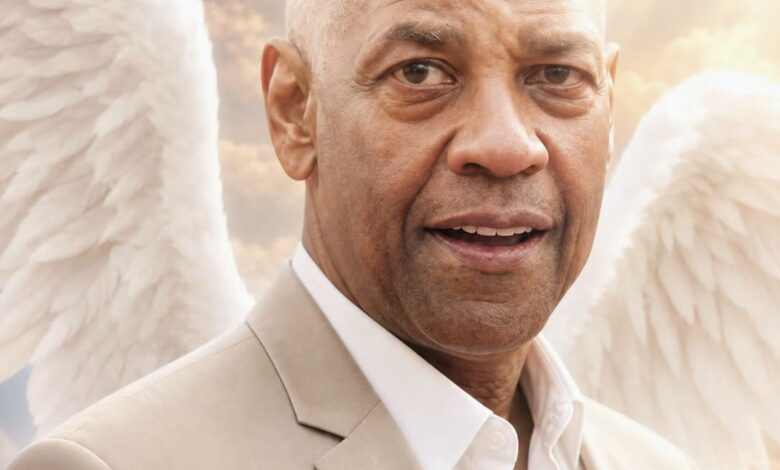
Denzel Washingtons Name Is Permanently Connected to the History of Cinema
Some actors become permanently connected to the history of cinema, and Denzel Washington is one of them. Across decades of performances, his face, voice, intensity, and dignity have become part of the language audiences use to understand strength on screen. He did not simply appear in memorable films. He brought moral tension and emotional gravity to characters who might have become simple symbols in less disciplined hands.
Washington’s rise from television drama to cinematic prominence was built on a relentless commitment to truth inside each role. Whether playing a historic leader, a conflicted detective, a grieving fighter, or a determined coach, he insisted on the character’s humanity. The people he portrayed could be powerful without being invulnerable, persuasive without being pure, and flawed without becoming empty villains. That complexity made audiences believe him.
His portrayal of Malcolm X showed the extraordinary scale of that commitment. The performance carried intellectual force, physical transformation, anger, humor, and spiritual development without reducing a complicated life to a single message. Washington approached the role not as an imitation, but as a sustained exploration of how conviction changes a person. It remains a central example of an actor meeting historical responsibility with artistic courage.
In other films, he turned authority itself into a source of uncertainty. A badge, uniform, or commanding voice could signal safety in one story and danger in another. Washington understood how to make righteousness intimidating and corruption magnetic, forcing viewers to examine why they trusted a character. Even when playing men who made destructive choices, he revealed the intelligence, pride, fear, and conscience beneath those decisions.
That range reshaped expectations for a leading man. Washington proved that strength could coexist with doubt and that masculine authority did not require emotional emptiness. His characters could love deeply, grieve openly, fail morally, and still command the screen. The result was not only a series of celebrated performances, but a broader change in what mainstream audiences were prepared to see at the center of major films.
Awards and acclaim followed, but neither fully explains his influence. Trophies recognize individual achievements, while Washington’s legacy lives in the cumulative force of the work. Younger actors inherited a wider field of possibility because he had demonstrated that commercial success and serious dramatic ambition could support one another. Directors and audiences learned to expect depth rather than treat it as a special exception.
His performances also endure because they continue asking uncomfortable questions. What does justice require when institutions fail? How does ambition distort love? Can a person recover from betrayal, pride, or violence? Washington rarely offers easy comfort. Instead, he makes the conflict visible in a glance, a pause, or the sudden change in a voice that seemed completely controlled a moment earlier.
Long after theater lights fade, those moments remain. Denzel Washington’s legacy is not confined to one character, one speech, or one era. It is a body of work that challenged what power could look like, sound like, and feel like on screen. Generations of moviegoers have watched him reveal the humanity inside heroes and the conscience inside damaged men, and cinema is richer because he demanded that both be seen.
That body of work also rewards return visits. A performance first remembered for force may later reveal restraint; a heroic character may look more troubled, and a villain more painfully recognizable. Washington builds roles with enough detail to survive changes in the viewer. As audiences grow older, they notice different choices and hear different questions inside the same scenes. This durability is one mark of great acting. The performance does not remain fixed as a monument. It continues to move, challenge, and disclose something new.