I Gave My Dad a Dream Truck for His 60th Birthday but Took It Back the Very Next Morning
I gave my father the truck he had dreamed about for his sixtieth birthday. At dinner, he raised his glass and called me an idiot who was trying to buy love. Everyone laughed. I smiled, left without arguing and arranged for the truck to be collected the next morning. By breakfast, his driveway was empty and my phone showed more than a hundred missed calls.
The truck was a black Ford F-250 with leather seats, a towing package and the engine Dad had praised at every holiday gathering. I had paid through my company’s auto broker, but the title transfer had not yet been completed. The dealer was holding the paperwork until after the birthday dinner, when I planned to hand it over formally. The vehicle was still legally mine.
Buying it had been an expensive attempt to create one uncomplicated moment between us. In my family, gifts were never simple. Give too little and you were selfish. Give too much and you were showing off. My brother Dean could arrive with a bottle of wine and receive applause, while anything I accomplished became evidence that I thought I was better than everyone else. At thirty-six, I recognized the pattern, yet part of me still hoped generosity might soften it.
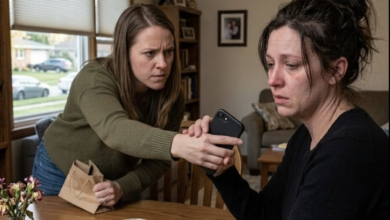
Dad’s toast destroyed that hope. He tapped his glass, thanked the relatives for coming and then looked directly at me. “To my idiot daughter,” he said, “still trying to buy love with money.” The laughter was automatic at first. My mother smiled tightly. Dean added a joke about how I had probably charged the truck to my company. No one asked whether I was hurt.
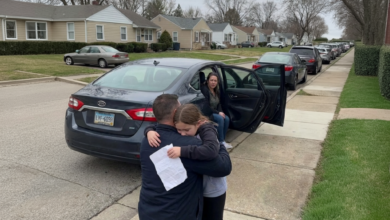
I stood, wished Dad a happy birthday and drove home. Then I called the broker and canceled the transfer. Because Dad had been allowed to take the truck home before the paperwork was signed, the dealer arranged a lawful pickup. I did not sneak onto his property or take something that belonged to him. I withdrew a gift that had never legally been accepted.
The calls began at dawn. Dad accused me of humiliating him in front of the neighborhood. Mom said I was dramatic. Dean threatened to report the truck stolen, which would have been difficult since I was its registered owner. I sent one message to the family group: “Dad said the truck was an attempt to buy love. I have removed the burden. Please do not contact my workplace.” Then I silenced the phone.
That afternoon, my aunt called. She did not demand the truck back. She apologized for laughing and admitted that the family had treated cruelty as humor for years. Her honesty mattered more than everyone else’s outrage. It confirmed that the issue was never the vehicle. The empty driveway forced them to see that I could stop participating in a ritual where I paid for approval and received contempt.
I sold the truck a week later and used part of the money to create an education fund for two younger cousins. I did not announce it at dinner or attach my name to their future choices. A gift should not be leverage, and generosity does not require an audience. The rest went back into savings.
Dad eventually sent a short email. He said the joke had gone too far but stopped short of a real apology. I replied that I would be willing to talk when he could describe what he had done without blaming my reaction. Months passed. The boundary remained. Missing him was painful, but returning to the old arrangement would have cost more than any truck.
Taking back the vehicle was not revenge for an embarrassing toast. It was the first time I believed my own limit. My father was free to reject my gift, mock my motives or decide he did not want a closer relationship. He was not entitled to keep a luxury purchase while using it as proof that I was foolish. I could not buy love, and at last I stopped trying.