Born With the Blues: The Texas Blues Poet
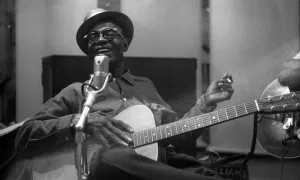
Lightnin’ Hopkins is one of the greatest and most authentic voices in the history of blues music. A true Texas original, his raw, spontaneous, and deeply personal style made him a legend of country blues. With his expressive guitar playing and storytelling lyrics, he recorded hundreds of songs and influenced countless musicians across generations — from Stevie Ray Vaughan to Jimi Hendrix and beyond.
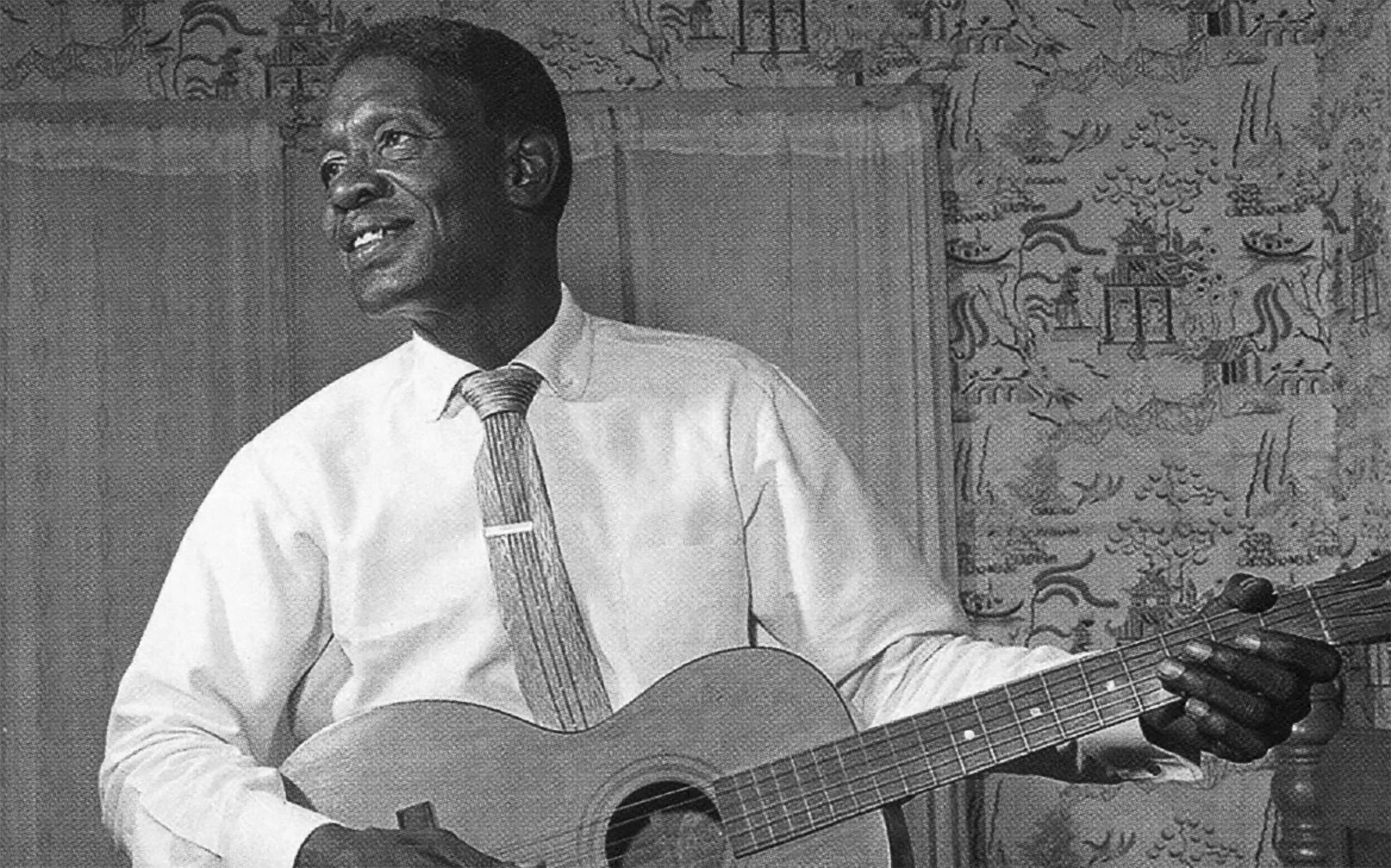
Early Life
Samuel John Hopkins was born on March 15, 1912, in Centerville, Texas, into extreme rural poverty. He grew up working the cotton fields of East Texas. His father died when he was very young, leaving the family to struggle. Music was in his blood — his older cousin, the well-known blues singer Texas Alexander, became his early mentor. As a child, Hopkins made his first “guitar” from a cigar box and wire. He was inspired after seeing the legendary Blind Lemon Jefferson perform at a country picnic.
By his teens, Hopkins was already playing at local parties and juke joints. He hit the road with his cousin, learning the hard life of a traveling bluesman across Texas.
The Birth of “Lightnin’”
In 1946, Hopkins moved to Houston and got his big break. He recorded his first sessions for Aladdin Records alongside pianist Wilson “Thunder” Smith. The duo was billed as “Thunder and Lightning,” instantly giving Sam his lifelong nickname “Lightnin’”. His debut recordings, including the classic “Katie Mae Blues,” revealed his gift for making up lyrics on the spot and his unmistakable fingerstyle guitar.
Hopkins quickly became a star of the Houston blues scene. In the late 1940s and early 1950s he scored several R&B hits, such as “Tim Moore’s Farm” and “Shotgun Blues,” while recording for various labels under different names.
udiscovermusic.comLightnin’ Hopkins – Country Blues Singer | uDiscover Music
Prolific Career and Unique Style
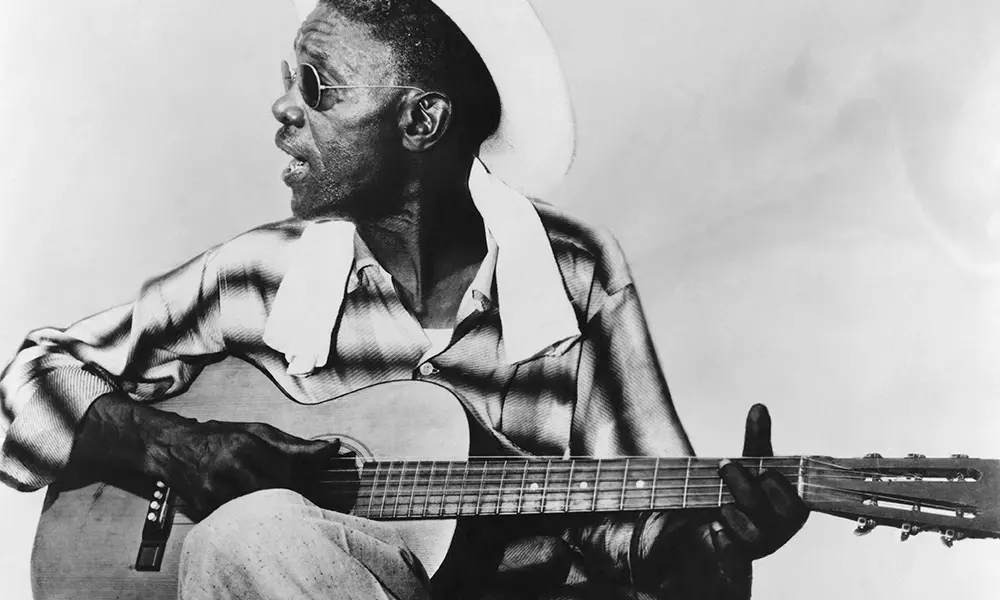
What made Lightnin’ Hopkins special was his incredible productivity and creativity. He recorded over 800 songs in his career, often in single takes with minimal rehearsal. His style was loose, poetic, and conversational — he sang about real life: love, heartbreak, cars, women, hard times, and everyday joys, always with humor, honesty, and deep feeling.
He mastered both acoustic and electric guitar. In the 1960s, during the American folk-blues revival, he was “rediscovered” by new audiences. He performed at Carnegie Hall, the Newport Folk Festival, and toured Europe extensively. Landmark albums for Prestige, Folkways, and Arhoolie brought him international fame.
Later Years and Legacy
Even as he aged, Hopkins stayed true to his roots, performing regularly in small Houston clubs almost until the end. Health problems slowed him down, but his spirit never faded.
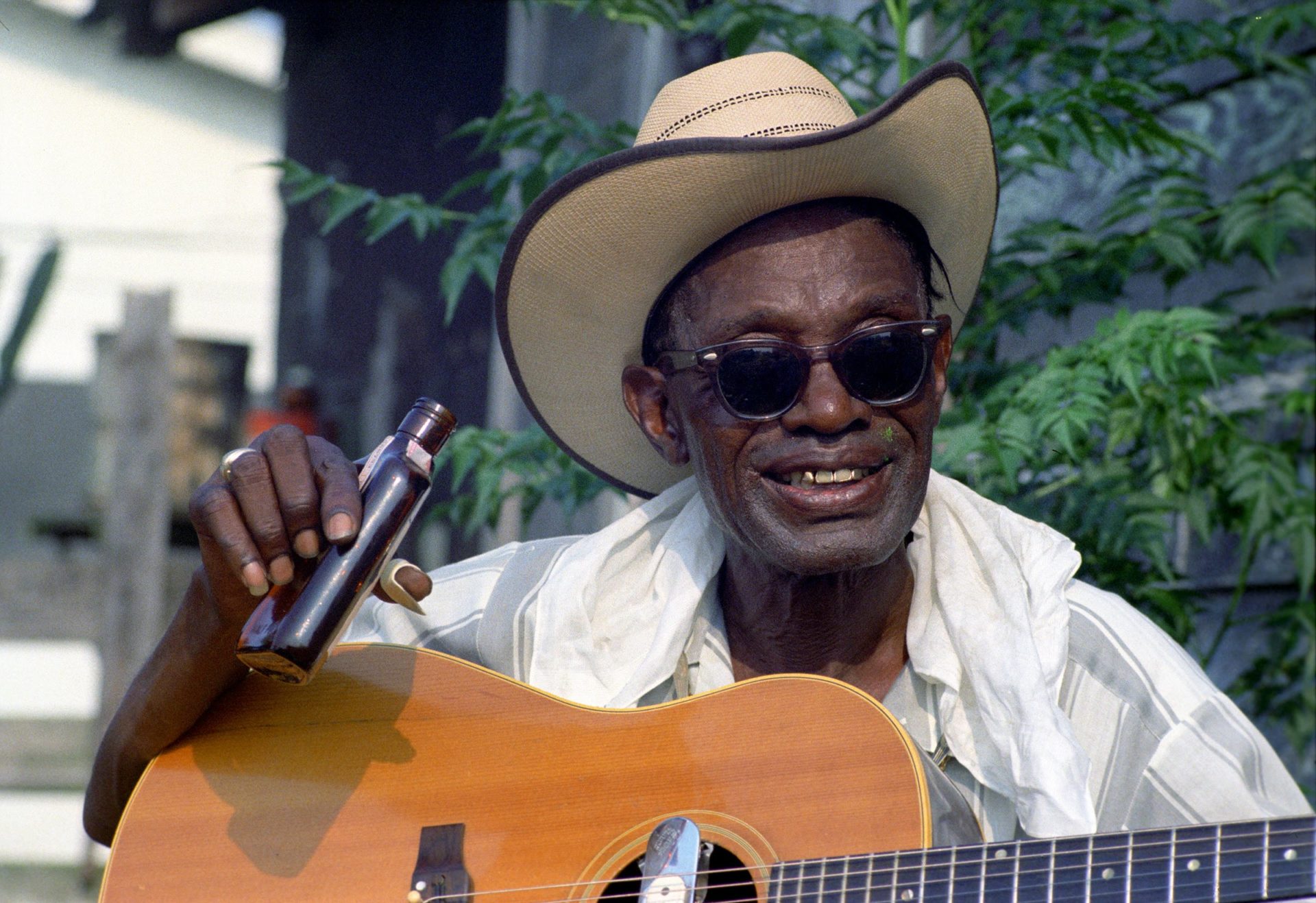
Lightnin’ Hopkins died of esophageal cancer on January 30, 1982, in Houston, Texas, at the age of 69.
His influence runs deep. He shaped the sound of modern blues and rock, inspiring generations of guitarists and songwriters. He was inducted into the Blues Hall of Fame in 1980, and his music continues to be sampled and celebrated today.
Some of his most famous songs include:
“Baby Please Don’t Go”
“Mojo Hand”
“Katie Mae Blues”
“Bring Me My Shotgun”
“Coffee Blues”
“Blues in the Bottle”
“Shotgun Blues”
“Lightnin’s Boogie”
Lightnin’ Hopkins didn’t just play the blues — he lived them every day. He took the pain and joy of the Texas backroads and turned it into pure, honest music that still hits straight to the soul. When you hear that unmistakable guitar and voice, you know: Lightnin’ is still striking.
texasmonthly.comLet There Be Lightnin’ – Texas Monthly
The Texas blues poet lives on… forever.
The song:
CREDITS:
Axel Morlet (Axel Morlet)