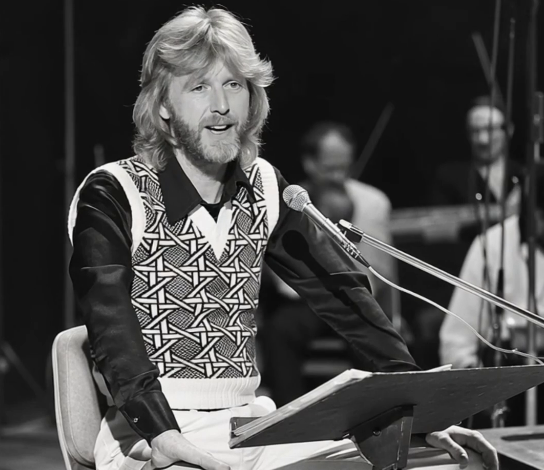
“Everybody’s Talkin’” Quietly Became One Of The Most Lonely Songs Of Its Era
At first listen, “Everybody’s Talkin’” sounds calm, warm, and almost comforting. The melody drifts softly forward with an easygoing rhythm that feels peaceful and familiar. But beneath that relaxed sound lives something much sadder — emotional exhaustion, loneliness, and the desire to disappear from the noise of the world around you.
Harry Nilsson’s version of the song became iconic after appearing in the 1969 film Midnight Cowboy, where its emotional themes matched the loneliness and drifting uncertainty of the story perfectly. Suddenly, the song became attached to an entire mood and generation searching for meaning, escape, and emotional peace during a rapidly changing era.
What made Nilsson’s performance so unforgettable was its simplicity. He never forced emotion dramatically. Instead, he sang gently and honestly, allowing listeners to quietly project their own feelings into the music. That restraint gave the song enormous emotional power because it felt real instead of theatrical.
For many older listeners, “Everybody’s Talkin’” became tied to memories of road trips, late-night drives, heartbreak, and periods of life where everything felt uncertain. It captured the emotional exhaustion people sometimes feel when the world around them becomes too loud, too overwhelming, or too emotionally draining.
The lyrics themselves reflect emotional detachment in a surprisingly relatable way. The narrator isn’t searching for fame, conflict, or excitement. He simply wants distance from noise, judgment, and emotional pressure. That feeling continues resonating deeply even decades later because modern life often creates the exact same emotional exhaustion.
Musically, the soft acoustic guitar, relaxed rhythm, and airy production created one of the most recognizable atmospheres in late-1960s music. The song felt light on the surface but emotionally heavy underneath — a balance very few artists manage successfully.
Over time, “Everybody’s Talkin’” became one of those songs people associate instantly with nostalgia and emotional reflection. It continues appearing in films, television, restaurants, road trip playlists, and quiet moments where people simply want to breathe and slow down for a while.
Even now, decades later, the song still feels strangely comforting because it reminds listeners they are not alone in wanting peace, silence, and escape from the overwhelming noise of life sometimes.
Listen to the song here:
Credits: TheOldRecordCLub