From Bullied Teen to One of the Most Magnetic Artists of All Time
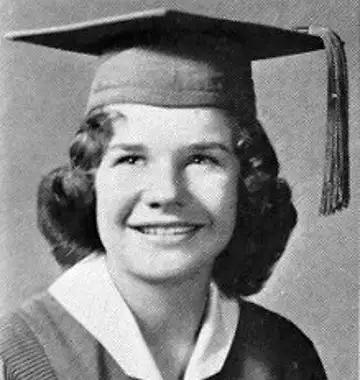
Before Janis Joplin became a legendary voice of rock music and a symbol of freedom and individuality, she was a misunderstood girl growing up in the small town of Port Arthur, Texas. In a place where fitting in mattered deeply, Janis stood out — and not always in ways people appreciated.
Born on January 19, 1943, Joplin was raised in a conservative and religious household by hardworking parents who valued discipline and traditional values. Her father worked as an engineer, while her mother was employed at a local college. Although her family lived a quiet and structured life, Janis quickly showed signs that she was different. She was curious, outspoken, artistic, and drawn to ideas far beyond the boundaries of her hometown.
As a teenager growing up in the segregated American South, Joplin immersed herself in blues, jazz, and folk music. She loved poetry, challenged social expectations, and embraced a bohemian lifestyle long before it became fashionable. Friends remembered her as fearless and unconventional — someone who experimented with her appearance, ignored society’s rules, and carried an unforgettable personality.
But high school was brutal for her. Joplin endured constant bullying because of her appearance, particularly after struggling with severe acne that left permanent scars. Classmates mocked her relentlessly, and the emotional pain stayed with her for years. Even later in life, she admitted those experiences deeply damaged her self-esteem.
At the University of Texas at Austin, she still felt like an outsider. Often walking barefoot around campus with her autoharp in hand, she cared more about music, creativity, and self-expression than popularity. One especially cruel incident — when students mockingly nominated her in a humiliating campus contest — left a lasting emotional wound.
Yet despite the rejection, Joplin possessed something extraordinary: her voice.
In 1963, she left Texas behind and moved to San Francisco, chasing a dream that few people believed in. Life there was difficult. She performed in coffeehouses, struggled financially, and battled addiction while trying to establish herself in the folk music scene. Success seemed distant — until she joined Big Brother and the Holding Company.
Everything changed in 1966 during the Monterey Pop Festival. Although originally given a modest performance slot, Joplin delivered a performance so powerful and emotionally raw that it stunned audiences and transformed her career overnight. Music executives immediately recognized her talent, and soon she signed with a major record label.
The same woman who had once been mocked for her looks suddenly became a cultural icon — celebrated for her raw energy, emotional honesty, sexuality, and rebellious spirit.
Joplin went on to become one of the first true female superstars in rock music. She appeared on magazine covers, inspired millions, and recorded unforgettable songs, including the posthumous No. 1 hit Me and Bobby McGee.
But behind the fame and glamour, she continued to struggle emotionally. Despite worldwide success, she still longed for acceptance and validation, especially from her family back in Texas. Personal letters revealed a vulnerable young woman still trying to explain herself to the people she loved.
Tragically, Janis Joplin died in October 1970 at just 27 years old, becoming one of the most famous members of the 27 Club. Her death shocked the music world, but her voice and influence never disappeared.
Decades later, Janis Joplin remains a powerful reminder that true beauty is not about perfection. It is about authenticity, courage, emotion, and the willingness to be completely yourself — something she embodied more fearlessly than almost anyone else.