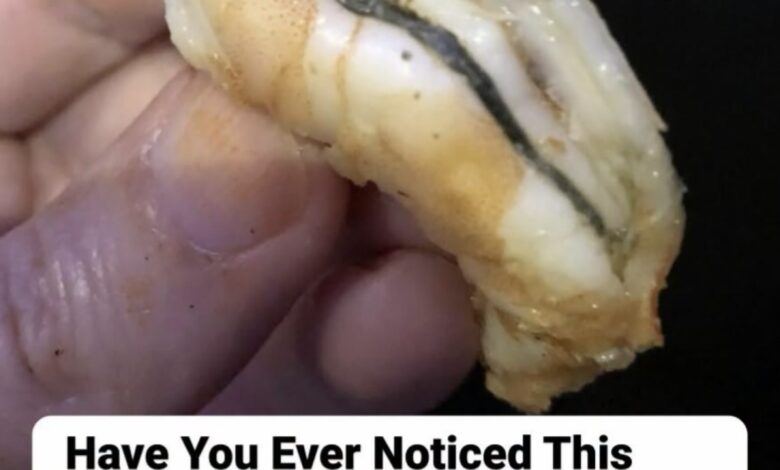
Have You Ever Noticed This Black ‘Vein’ On Shrimp? Here’s What It Is And If You Can Eat It
Summer cookouts often feature familiar favorites like burgers, hot dogs and fresh seafood, and shrimp cocktail has long earned its place among the season’s most popular appetizers. Served chilled alongside tangy cocktail sauce, the bite-sized shellfish is a staple at backyard gatherings, holiday spreads and restaurant menus alike.
But for many shrimp lovers, one lingering question continues to surface every time they peel away the shell.
What exactly is that dark line running down the shrimp’s back?
For some, finding the thin black strip can instantly raise concerns about cleanliness—or even whether it’s safe to eat. After all, no one wants an unpleasant surprise while enjoying dinner.
The answer is a bit more complicated than many people expect.
According to seafood experts, the dark line, commonly referred to as the “vein,” isn’t actually a blood vessel at all. Instead, it is the shrimp’s digestive tract, which includes portions of its stomach and intestines. Because shrimp consume food found along the ocean floor, the tract can contain partially digested material, including tiny bits of sand, organic debris and waste.
In other words, yes—the dark line may contain what many people fear it does.
Fortunately, that doesn’t automatically mean it’s dangerous.
Food safety specialists say consuming shrimp with the digestive tract still intact is generally considered safe when the seafood has been properly cooked. High cooking temperatures destroy harmful bacteria and greatly reduce the risk of foodborne illness.
Experts recommend cooking shrimp until it reaches an internal temperature of 145 degrees Fahrenheit. At that point, the flesh becomes firm and opaque, indicating it has been thoroughly cooked.
That means accidentally eating the dark line isn’t typically a health concern for healthy individuals.
Still, many cooks choose to remove it before serving.
The process, known as “deveining,” is largely done for appearance and texture rather than food safety. Using a small knife or kitchen tool, the shell is gently opened and the digestive tract is lifted out before cooking.
Restaurants and grocery stores often sell shrimp that has already been peeled and deveined, making preparation much easier for home cooks.
Even so, shrimp sold with the vein still attached remains common, particularly when purchased whole or frozen.
Whether or not to remove it often comes down to personal preference.
Some people dislike the gritty texture that can occasionally result if the digestive tract contains sand or sediment, while others simply prefer not to think about what it is.
Others see no reason to spend extra time removing something that poses little health risk after cooking.
Shrimp are natural bottom feeders, meaning they spend much of their time searching the seafloor for food. Their diet consists of plankton, tiny marine organisms, worms and decomposing organic matter. Because of those eating habits, the digestive tract can appear darker or more noticeable depending on what the shrimp recently consumed.
The color can vary from nearly black to dark brown or even greenish in some cases.
Although the discovery may not be the most appetizing part of preparing seafood, experts emphasize that proper handling remains far more important than whether the shrimp has been deveined.
Keeping shrimp refrigerated, avoiding cross-contamination with raw foods and cooking it thoroughly are the steps that matter most when it comes to food safety.
So while the mystery of the black line may leave some diners reconsidering their next shrimp cocktail, food safety experts say there’s little reason to panic.
For those who would rather skip it altogether, removing the digestive tract is a simple solution. For everyone else, thoroughly cooked shrimp remains a safe—and still wildly popular—addition to summer menus.