
Linda Ronstadt’s “Long, Long Time” Lives On as One of the Most Haunting Ballads of Heartbreak (1970)
When Linda Ronstadt released “Long, Long Time” in 1970, it wasn’t just another track from a promising young vocalist — it was a declaration of emotional depth. A lament so raw and powerful that it left a permanent mark on American popular music.
Though it peaked modestly at No. 25 on the Billboard Hot 100, the song’s aching honesty and Ronstadt’s unforgettable delivery turned it into something far greater than a chart statistic. Over the decades it evolved into a classic torch song, revered for its devastating vulnerability and proof that Ronstadt was never just a singer — she was an interpreter of the heart.
From Tucson to the Spotlight
Born in Tucson, Arizona, in 1946, Linda Ronstadt grew up in a household alive with music — Mexican folk songs, traditional pop, and country-western records filled the air. Her early career took flight with the folk-rock trio The Stone Poneys, who scored a hit in 1967 with “Different Drum.” But Ronstadt refused to be boxed in. She struck out on a solo path defined by fearless experimentation and a refusal to be typecast.
“Long, Long Time” arrived during the sessions for her 1970 album Silk Purse. Written by Gary White, the ballad tells the story of a love that never fully dies — unrequited, lingering for years like a quiet wound. Ronstadt later said singing it felt like reading pages from her own emotional diary. The connection was instant and profound.
albumism.comRediscover Linda Ronstadt’s ‘Silk Purse’ (1970) | Tribute
A Stripped-Down Masterpiece
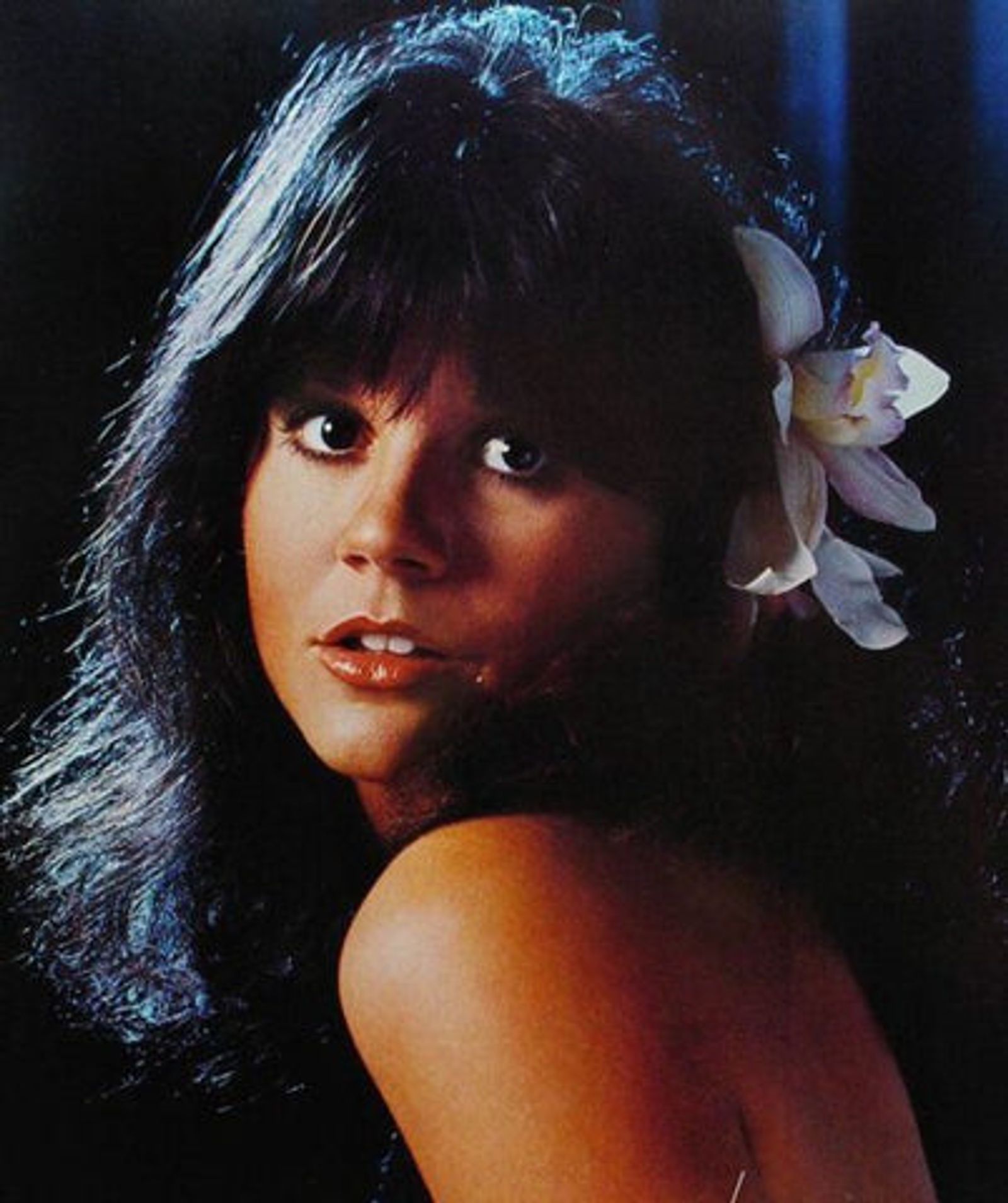
Produced by Elliot Mazer (who would later work with Neil Young), the recording was deliberately intimate. Gone were the big productions of the era. In their place: a gentle, sorrowful string arrangement, subtle acoustic guitar, and Ronstadt’s voice front and center.
She didn’t over-sing. She let the silence between lines breathe. Her performance — vibrating with restrained pain, catching at just the right moments — revealed a mastery of control and emotion that few artists ever achieve, especially so early in a career. The result was pure heartache captured in real time.
A Quiet Hit with Lasting Power
Upon release, “Long, Long Time” became Ronstadt’s first solo hit and a staple on adult contemporary radio. It spent 12 weeks on the Billboard Hot 100 and earned her a Grammy nomination for Best Contemporary Female Vocal Performance in 1971. For a young artist still building her name, the recognition was pivotal — it introduced her to listeners who might never have discovered her folk-rock roots.
Culturally, the song arrived at a moment of upheaval. Released in the wake of the turbulent 1960s, its quiet grief stood in stark contrast to the loud protests and electric anthems of the time. It reminded audiences that not all battles are external — some are fought in the silence of the heart. For many women especially, it gave voice to the pain of waiting, of loving without reciprocation, at a time when traditional roles were being questioned and rewritten.
The Foundation of a Legend
The success of “Long, Long Time” gave Ronstadt the credibility to explore virtually every genre in the years that followed — country, rock, jazz standards, Mexican folk, even opera. While later smashes like “You’re No Good” and “Blue Bayou” would define her commercially, this early ballad proved she could elevate any material with integrity and emotional honesty.
Its fusion of folk, country, and classical pop elements became a template for the adult contemporary ballads of the 1970s and ’80s. Artists such as Emmylou Harris, Bonnie Raitt, and Norah Jones have all carried forward the emotional restraint and vocal purity Ronstadt displayed here. It proved that power could come from quiet despair rather than bombast.
goldminemag.comClassic Linda Ronstadt comes alive!
A Living Legacy

Over the years “Long, Long Time” has been covered sparingly and always with reverence. Carrie Underwood performed it live in tribute to Ronstadt, honoring both the song and the artist who made it iconic.
Its most striking resurgence came in 2023, when the song was featured prominently in the acclaimed HBO series The Last of Us. The episode’s story of enduring, unspoken love mirrored the song’s message so perfectly that Ronstadt’s original version surged in streams and downloads, introducing the haunting ballad to an entirely new generation.
Ronstadt has often spoken about the song’s emotional toll. Singing it in concert sometimes moved her to tears; at times she avoided performing it altogether. That vulnerability only deepened its impact. Today it stands as one of the crown jewels of her career — a staple on “greatest ballads” lists, a regular on classic rock and easy-listening stations, and a living piece of emotional history.
The Heartbreak That Still Echoes
Though Ronstadt retired from performing due to health challenges related to Parkinson’s disease, the legacy of “Long, Long Time” continues to flourish. It was cited during her 2014 induction into the Rock and Roll Hall of Fame as proof of her extraordinary interpretive gift. Its recent return to pop culture ensures its message is not frozen in time but continues to resonate with fresh relevance.
What makes “Long, Long Time” so unforgettable isn’t just its mournful melody or the crystalline clarity of Ronstadt’s voice. It’s the way it captures the slow-motion reality of heartbreak — the waiting, the quiet devastation, the love that refuses to die. In a world that often demands happy endings, Linda Ronstadt gave us something rarer and more honest: permission to feel the messy, lingering truth of the heart.
And more than fifty years later, it still hurts — in the most beautiful way.
THE SONG: