Rejected 72 Times — Then Came a Song That Changed Everything
Some lives don’t follow a steady rise. They fracture, collapse, and somehow rebuild into something enduring. The story of Don McLean is one of those rare journeys where pain didn’t just shape the artist — it became the language of his art.
A Turbulent Childhood
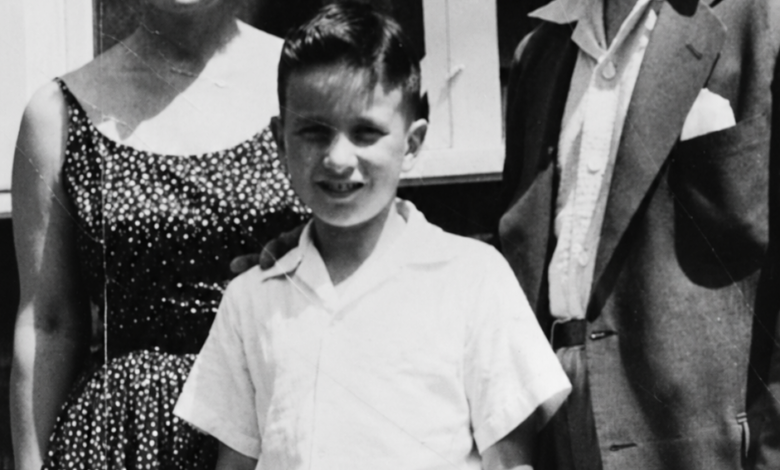
Long before the fame, stadiums, and millions of records sold, McLean grew up in New Rochelle, New York, in a home marked by instability and fear. He has spoken about physical abuse in the household, and his older sister Betty Anne’s struggles with addiction created additional chaos — something he later called a “dreadful, ugly secret.”
The deepest wound came at age 15. His father — his anchor and source of stability — collapsed and died of a heart attack right in front of him. The loss was sudden and devastating. For a teenager already navigating a fractured home, it shattered his world.
“I cried for two years,” McLean later said. Along with grief came irrational guilt — a feeling that he had somehow sensed it coming and failed to prevent it.
Finding Solace in Music
Asthma kept him out of school for long periods, so he turned inward. He picked up the guitar, trained his voice, and developed remarkable breath control that would later define his singing style — the ability to deliver long, emotionally precise phrases that feel both intimate and powerful.
Talent alone wasn’t enough. Before anyone heard him on the radio, he faced rejection after rejection — reportedly turned down by labels more than 70 times. For most people, that would have been the breaking point. For McLean, it was another test of endurance.
Breakthrough with “American Pie”
His debut album Tapestry (1969) earned quiet respect but didn’t explode. The real transformation came in 1971 with “American Pie.”
The eight-and-a-half-minute folk-rock epic blended personal memory with cultural commentary. Inspired partly by the 1959 plane crash that killed Buddy Holly, Ritchie Valens, and the Big Bopper (“the day the music died”), it grew into a sweeping meditation on loss, innocence, change, and a nation in flux. McLean once called it a “rock ’n’ roll dream sequence,” but it became far more — a song people didn’t just listen to, but lived inside, decoded, and claimed as their own.
It topped the charts, sold millions, and made McLean a global star almost overnight. Hits like “Vincent” (his tribute to Van Gogh) further showcased his gift for stepping into another person’s pain and making it universal.
Triumph and Contradiction
Even at the peak of success, McLean’s personal life remained complicated. His marriages ended in divorce. Later years brought controversies and public accusations of emotional and domestic turmoil from family members — stories that stand in contrast to the sensitivity in his music. McLean has pushed back against some narratives, citing his efforts to break the cycle of his own upbringing, while others tell different versions. The full picture, like many human legacies, remains layered and unresolved.
What remains undeniable is the impact of his work. The boy who grew up feeling judged, hurt, and unseen became the man who wrote songs that made millions feel seen and understood.
Today, Don McLean stands as a figure of both triumph and contradiction — a songwriter who turned private suffering into public art, capturing emotions that often feel almost unspeakable and giving them voice. His legacy isn’t simple. But through songs like “American Pie” and “Vincent,” it endures.
Somewhere in every note, there’s still that fifteen-year-old boy — grieving, searching, and trying to make sense of a world that changed too quickly. And somehow, through music, he did.