Sugar Baby Love – The Song That Brought Doo-Wop Back to the Charts
Some songs become hits. Others become time capsules. Few manage to revive an entire musical style and introduce it to a new generation. In 1974, Sugar Baby Love did exactly that.
At a time when glam rock, disco, and progressive rock dominated the airwaves, a group of young British musicians looked backward instead of forward. Inspired by the harmonies of 1950s doo-wop groups, they created a song that sounded as if it had traveled through time.
The result was Sugar Baby Love—a record that would launch The Rubettes to international fame and become one of the most recognizable songs of the decade.
The Birth of a Retro Hit
Written by songwriters Wayne Bickerton and Tony Waddington, Sugar Baby Love was originally intended for another act. However, when plans changed, a newly assembled group called The Rubettes recorded the track.
From the very first note, the song stood out. Its soaring falsetto introduction immediately captured listeners’ attention, while its nostalgic harmonies evoked the spirit of classic American doo-wop groups from the 1950s.
The Rubettes promotional photo during the early 1970s, Photo Credit: Music Archive Collection
The song’s combination of old-school vocal arrangements and modern 1970s production created something both familiar and fresh. Audiences embraced it almost instantly.
Climbing the Charts
Released in early 1974, Sugar Baby Love quickly became a phenomenon. It reached No. 1 on the UK Singles Chart and topped charts in numerous countries across Europe.
The single sold millions of copies worldwide and transformed The Rubettes from an unknown act into international stars almost overnight.
For many listeners, the song offered a welcome contrast to the heavier sounds dominating contemporary radio. Its upbeat melody, romantic lyrics, and infectious chorus made it impossible to ignore.
A Signature Sound
What made Sugar Baby Love unique was its commitment to a musical style that many believed belonged to another era.
The song borrowed heavily from the vocal harmonies and emotional storytelling that defined doo-wop music in the 1950s. Yet it never felt like a simple imitation. Instead, it reintroduced those elements in a way that appealed to modern audiences.
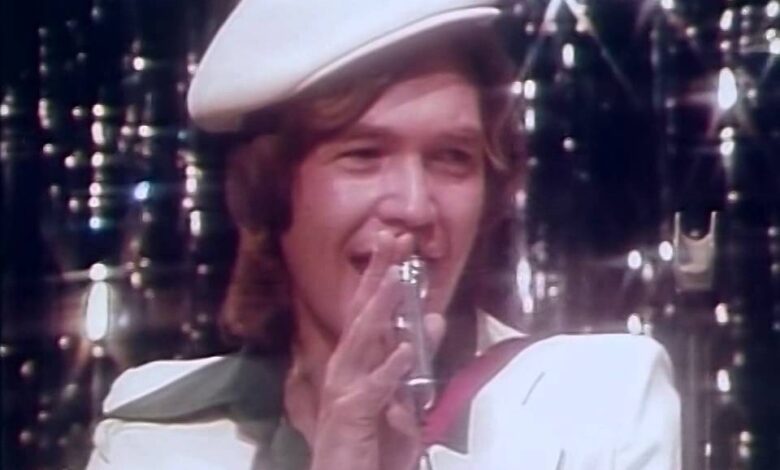
The Rubettes performing on television in their signature white suits and caps, 1974, Photo Credit: Television History Archives
The group’s distinctive image also helped. Their white suits and cloth caps became instantly recognizable, reinforcing the nostalgic charm that surrounded the song.
Global Success
The popularity of Sugar Baby Love extended far beyond Britain. The record became a major success throughout Europe, Australia, and several other international markets.
Radio stations played it relentlessly, and audiences responded enthusiastically to its cheerful energy and memorable vocal performance.
Even decades later, the opening falsetto remains one of the most recognizable introductions in pop music history.
A Lasting Legacy
While The Rubettes enjoyed additional chart success, Sugar Baby Love remained their defining achievement.
Over the years, the song has appeared in films, television programs, commercials, and countless retro music compilations. Each new appearance introduces it to another generation of listeners.
The Rubettes reunited for a special performance decades after their breakthrough, Photo Credit: Entertainment Archive
Its enduring popularity highlights the timeless appeal of strong melodies and classic vocal harmonies. Long after trends changed and musical styles evolved, Sugar Baby Love continued to find new fans.
More Than Just a Hit
The story of Sugar Baby Love is about more than commercial success. It demonstrates how music from the past can be reimagined and rediscovered by new audiences.
At a moment when the industry was focused on the future, The Rubettes looked to the past and found something special. Their gamble paid off, creating one of the most beloved pop records of the 1970s.
More than fifty years later, Sugar Baby Love remains a reminder that great songs never truly go out of style. Sometimes, all they need is the right voice—and the right moment—to make history again.
The song: