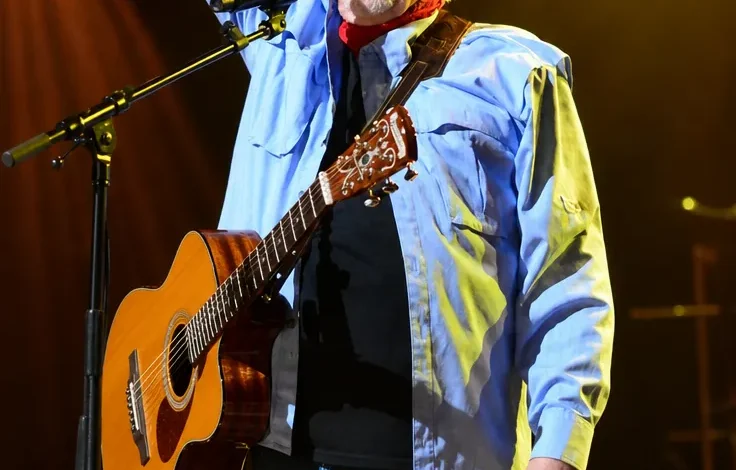
The Bobby Bare Hit That Captured The Loneliness Of Chasing The American Dream
When Bobby Bare released “Detroit City” in 1963, he gave country music one of its most honest portraits of homesickness ever recorded. At a time when thousands of Americans were leaving small towns for factory jobs in booming cities, the song captured a feeling many people struggled to put into words. It wasn’t just about moving away—it was about discovering that a better paycheck couldn’t always replace family, familiar places, and the comfort of home. More than sixty years later, “Detroit City” remains one of the defining songs of classic country music.
Written by Danny Dill and Mel Tillis, the song follows a Southern man who travels north to Detroit hoping to build a better future. Like many workers during the early 1960s, he believes opportunity lies hundreds of miles from where he grew up. But after arriving, reality proves far different than the dream. Surrounded by strangers and working long hours, he realizes that loneliness can be just as difficult as poverty.
The lyrics never criticize ambition.
Instead, they explore the emotional cost of leaving everything familiar behind. The narrator misses his family, his friends, and the simple comforts of home. Even though he’s earning a living, he feels emotionally lost. It’s a story that resonated deeply with listeners because so many families had experienced the same difficult choice during that era.
Bobby Bare delivered the song with remarkable sincerity.
Born in Ohio and raised in humble circumstances, Bare understood struggle long before becoming a country music star. His warm baritone voice carried a quiet honesty that made every lyric feel believable. Rather than dramatizing the narrator’s pain, he sang with gentle restraint, allowing listeners to hear both hope and heartbreak in every verse.
That authenticity became one of Bobby Bare’s greatest strengths.
Throughout his career, he developed a reputation for choosing songs that reflected real people and everyday life. Whether singing humorous stories, thoughtful ballads, or emotional classics, he always sounded like someone speaking directly from experience. “Detroit City” became the perfect showcase for that gift.
The musical arrangement is beautifully understated.
Steel guitar, acoustic guitar, piano, upright bass, and soft harmony vocals create a warm Nashville sound without overpowering the story. Every instrument supports the emotion rather than competing with it, giving the lyrics room to breathe. The production remains timeless because it never chases trends—it simply serves the song.
When “Detroit City” reached country radio, it became Bobby Bare’s breakthrough hit. The single climbed into the Top Ten on the Billboard country chart while also crossing over to the Billboard Hot 100, introducing his music to a much wider audience. It earned widespread critical acclaim and helped establish Bare as one of country music’s most respected performers. The recording also received a Grammy Award for Best Country & Western Recording, a milestone that further elevated his career.
Its influence has only grown with time.
The song remains one of the finest examples of country music’s ability to tell stories about ordinary working people. While musical styles have changed over the decades, the emotions at the heart of “Detroit City” remain universal. Every generation has people who leave home chasing opportunity, only to realize that success means little if the people you love aren’t there to share it.
Today, more than sixty years after its release, “Detroit City” continues touching listeners who understand the bittersweet feeling of looking back toward the place where everything began. It stands as one of Bobby Bare’s greatest recordings and one of the most enduring songs ever written about longing for home.
Perhaps that’s because…Home isn’t always where you live.It’s where your heart…keeps finding its way back. And no matter how far you travel…some roads…always lead home.
Listen to the full song here:
Credits: BobbyBareofficial