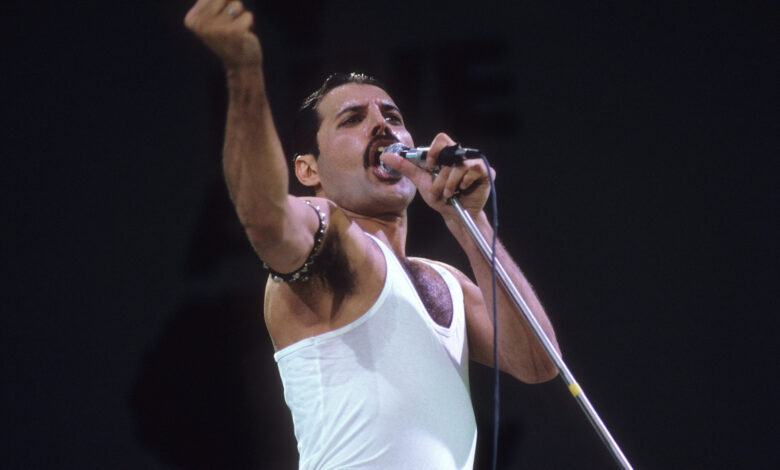
The Show Must Go On: From Zanzibar to Rock Immortals
Freddie Mercury and Queen are synonymous with theatrical rock, operatic grandeur, and unstoppable energy. Freddie’s four-octave voice, flamboyant stage presence, and songwriting genius, combined with the band’s explosive chemistry, made Queen one of the greatest rock bands of all time. From humble beginnings in a British boarding school to selling out stadiums worldwide, their story is one of ambition, reinvention, and pure showmanship that continues to captivate generations.
Early Life
Farrokh Bulsara was born on September 5, 1946, in Stone Town, Zanzibar (now part of Tanzania). His parents were Parsi immigrants from India, and the family practiced Zoroastrianism. At age seven he was sent to a boarding school in Panchgani, India, where he first began singing and formed a band called The Hectics. It was there that friends nicknamed him “Freddie.”
In 1964, at age 17, Freddie and his family fled political unrest in Zanzibar and settled in England. He studied graphic design at Ealing Art College and formed his first serious band, Wreckage. By 1970 he had joined forces with guitarist Brian May and drummer Roger Taylor from the band Smile. Freddie suggested renaming it Queen and changed his own surname to Mercury.
The Birth of Queen
Queen officially formed in 1971 when bassist John Deacon joined. The lineup — Freddie Mercury (vocals/piano), Brian May (guitar), Roger Taylor (drums), and John Deacon (bass) — was complete. Their self-titled debut album arrived in 1973, but it was the 1974 album Queen II and the single “Seven Seas of Rhye” that first brought major attention.
In 1975 came the breakthrough: the epic “Bohemian Rhapsody” — a six-minute rock opera that defied every radio rule yet became a global No. 1 hit. The music video (one of the first true “concept” videos) helped launch MTV and cemented Queen’s reputation for the theatrical.
Global Domination and Iconic Hits
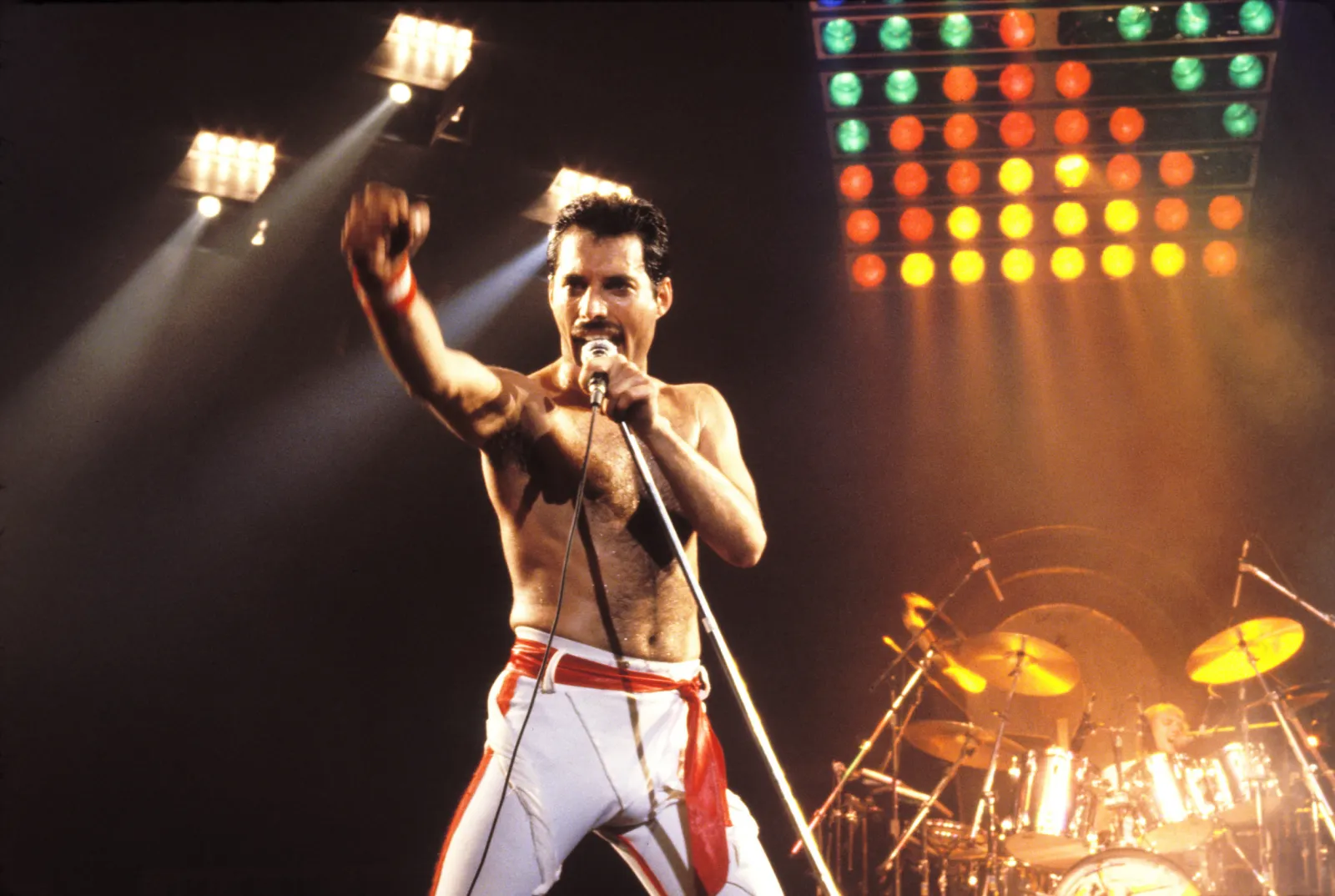
Throughout the late 1970s and 1980s, Queen released masterpiece after masterpiece: A Night at the Opera (1975), A Day at the Races (1976), News of the World (1977), and The Game (1980). They conquered the world with anthems like “We Will Rock You,” “We Are the Champions,” “Don’t Stop Me Now,” “Crazy Little Thing Called Love,” and “Another One Bites the Dust.”
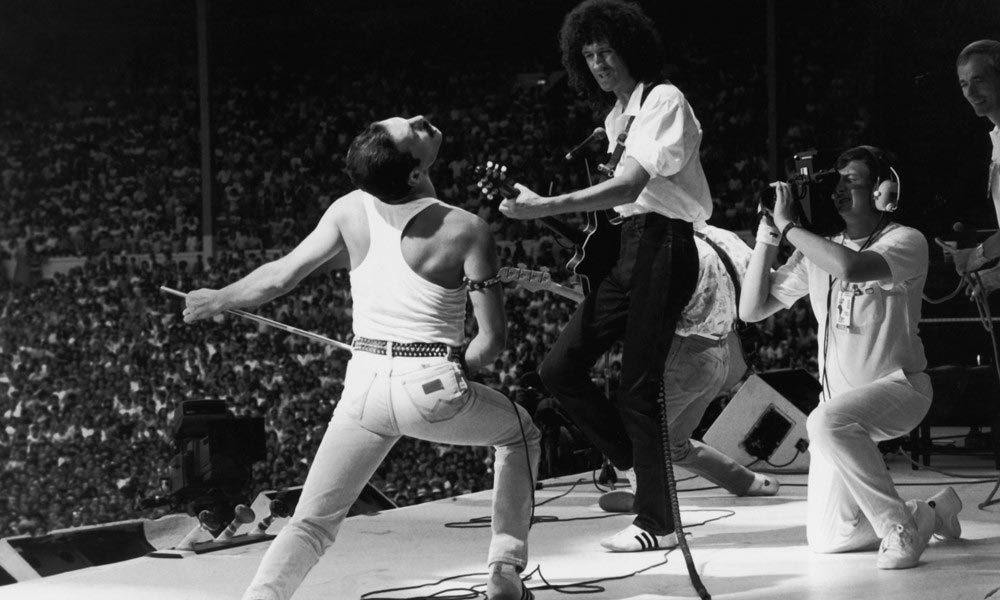
Their 1985 Live Aid performance at Wembley Stadium — especially Freddie’s 20-minute set — is widely regarded as one of the greatest live performances in rock history. Queen also wrote the soundtrack for the film Flash Gordon and scored massive hits with “Under Pressure” (with David Bowie) and “Radio Ga Ga.”
Personal Life, Challenges, and Triumph
Offstage, Freddie was a complex, private man — extravagant yet deeply loyal to his bandmates and friends. He never publicly discussed his sexuality during his lifetime, though he was openly gay in his inner circle. His long-term partner, Jim Hutton, remained by his side until the end.
In the mid-1980s Freddie began a successful solo career, releasing the album Mr. Bad Guy (1985) and collaborating with Montserrat Caballé on the hit “Barcelona” (1988). Meanwhile, Queen continued releasing strong material, including the 1989 album The Miracle.
Final Years and Eternal Legacy
In 1986 Freddie was diagnosed with AIDS. He kept the illness private, continuing to record and perform until he could no longer do so. The band’s final album with Freddie, Innuendo (1991), featured the powerful title track and “The Show Must Go On.”
Freddie Mercury passed away on November 24, 1991, at age 45, just one day after publicly confirming his AIDS diagnosis. The world mourned the loss of one of music’s most charismatic and talented figures.
Queen’s music has endured and grown in popularity. The 2018 biopic Bohemian Rhapsody introduced them to a new generation. Their songs are still played at sports events, weddings, and protests worldwide. In 2001 Queen was inducted into the Rock & Roll Hall of Fame.
Some of Queen’s (and Freddie’s) most iconic hits include:
“Bohemian Rhapsody” (1975)
“We Will Rock You” / “We Are the Champions” (1977)
“Don’t Stop Me Now” (1978)
“Crazy Little Thing Called Love” (1979)
“Another One Bites the Dust” (1980)
“Under Pressure” (with David Bowie, 1981)
“Radio Ga Ga” (1984)
“I Want to Break Free” (1984)
“The Show Must Go On” (1991)
“Somebody to Love” (1976)
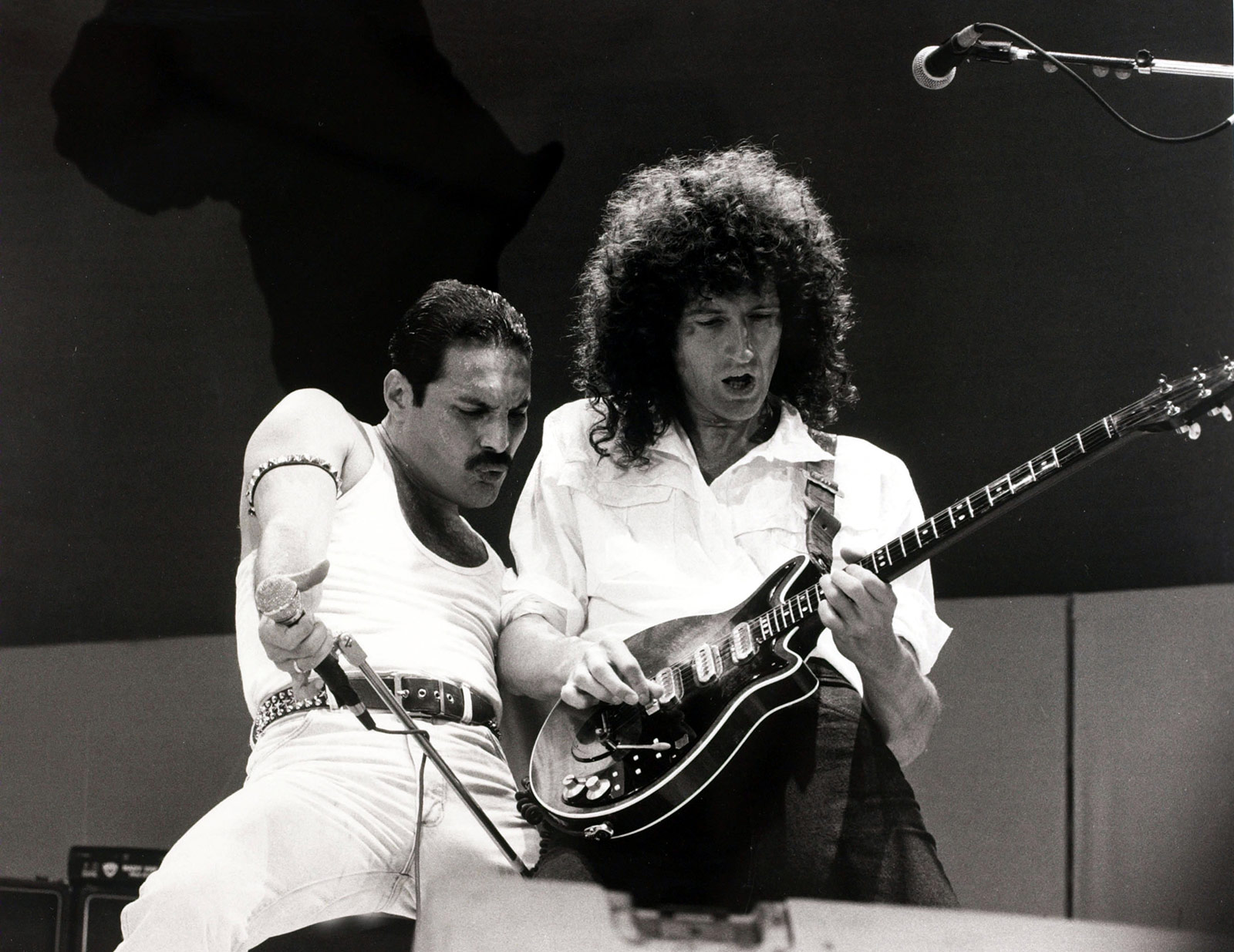
Freddie Mercury didn’t just sing — he became the music. With his powerful voice, wild charisma, and fearless creativity, he and Queen turned rock into high art and pure joy. Even today, when the opening piano notes of “Bohemian Rhapsody” play, the whole world sings along. The show goes on… and it always will.
The legend of Freddie Mercury and Queen lives forever.
The song: