The Simple Clues That Help You Pick Better Fruit
Choosing Fruit With a Little More Wisdom and a Little Less Guesswork
Few grocery store frustrations are as familiar as bringing home a piece of fruit that looked perfect on the shelf, only to discover it is bland, dry, or lacking the flavor you hoped for.
Fresh produce has always carried an element of uncertainty. Weather, growing conditions, harvesting decisions, transportation, and storage all play a role long before a fruit reaches your cart. No method can guarantee perfection every time.
Still, learning to notice a few simple details can help you make more informed choices, reduce waste, and appreciate the quiet skill behind selecting good produce.
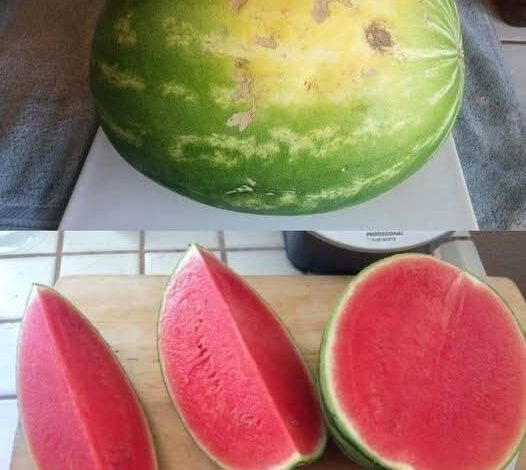
Looking More Carefully at Watermelon Continue Reading Watermelon asks for patience because most of what matters is hidden beneath the rind.
One detail many experienced shoppers notice is the field spot—the area where the melon rested on the ground while growing. A creamy yellow or golden field spot may suggest the fruit spent more time maturing on the vine. A very pale or nearly white spot can sometimes indicate earlier harvesting.
Another feature people often notice is the presence of rough brown web-like markings. While they may not look attractive, many growers and shoppers associate these marks with active pollination during the growing season. Though not a guarantee of sweetness, they are often viewed as a positive sign.
Shape is another clue some people consider. Rounder melons are sometimes believed to be sweeter, while longer ones are often thought to contain more water. Opinions differ, and nature rarely follows strict rules, but shape can serve as one piece of a larger picture.
The stem may also offer a hint. A dry, brown stem can suggest the fruit remained on the vine until closer to maturity, while a fresh green stem may indicate it was harvested earlier. Since watermelons change very little after picking, signs of vine maturity are worth noting.
Choosing Pineapple With Patience
Pineapple often teaches a useful lesson: appearances can be misleading.
Color alone rarely tells the full story. Some pineapples with green patches can still be sweet and enjoyable, while fully golden fruit is not always at its peak.
One common approach is to gently pull on a center leaf from the crown. If it releases with moderate resistance, many shoppers view that as a positive sign. If it falls out immediately, the fruit may be overripe. If it refuses to move at all, it may need more time.
Firmness matters as well. A good pineapple should feel solid and substantial, with just a slight amount of give. Excessive softness may suggest deterioration, while extreme hardness can indicate immaturity.
Perhaps the most reliable guide is scent. The base of a ripe pineapple often carries a pleasant, natural sweetness. Little aroma may suggest the fruit is not ready. A strong fermented smell may indicate it has moved beyond its best stage.
Sometimes the nose notices what the eyes cannot.
What Cantaloupe Can Teach About Observation
Cantaloupe offers several useful clues for those willing to slow down and pay attention.
Begin by looking at the rind. Significant bruising, cracks, mold, or soft spots may suggest declining quality. A healthy melon should feel firm and intact.
Color can also be helpful. Large green patches often indicate the fruit was harvested before reaching full maturity. Many shoppers look for a warmer tan or beige tone across most of the rind.
Weight is another simple test. When comparing melons of similar size, the heavier one often contains more moisture and may offer a juicier texture. Weight alone is not enough, but it can contribute to the overall assessment.
The blossom end—the end opposite the stem—deserves a gentle press. A slight softness may indicate ripeness. A completely hard surface may suggest more time is needed. Excessive softness can point toward overripeness.
And once again, scent matters. A ripe cantaloupe often offers a subtle sweetness that can be detected without effort. No aroma may mean it is not ready. An overpowering smell may indicate it is past its prime.
The Value of Paying Attention
There is no secret formula for choosing perfect fruit.
Nature remains wonderfully resistant to certainty. A watermelon with all the “right” signs may still disappoint. A pineapple that seems ordinary may turn out exceptional.
The goal is not perfection.
The goal is simply becoming a more attentive shopper—someone who notices weight, texture, scent, color, and signs of maturity rather than relying only on appearance.
A few extra moments in the produce section may not guarantee the sweetest fruit every time. But they often improve the odds, reduce waste, and deepen appreciation for the long journey food takes before reaching our tables.
Sometimes wisdom is found in small habits. Choosing fruit is one of them.