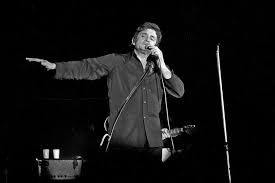
The Man in Black: From Humble Beginnings to Musical Legend
Johnny Cash, universally known as the “Man in Black,” is one of the most iconic and influential figures in American music of the 20th century. With his deep baritone voice, powerful songwriting, and rebellious image, he transcended genres — country, rock, folk, and gospel. From his modest birth in Arkansas to his death in 2003, Cash’s life was a turbulent journey filled with pain, addiction, love, redemption, and incredible artistic achievement.
Early Life and Hardship
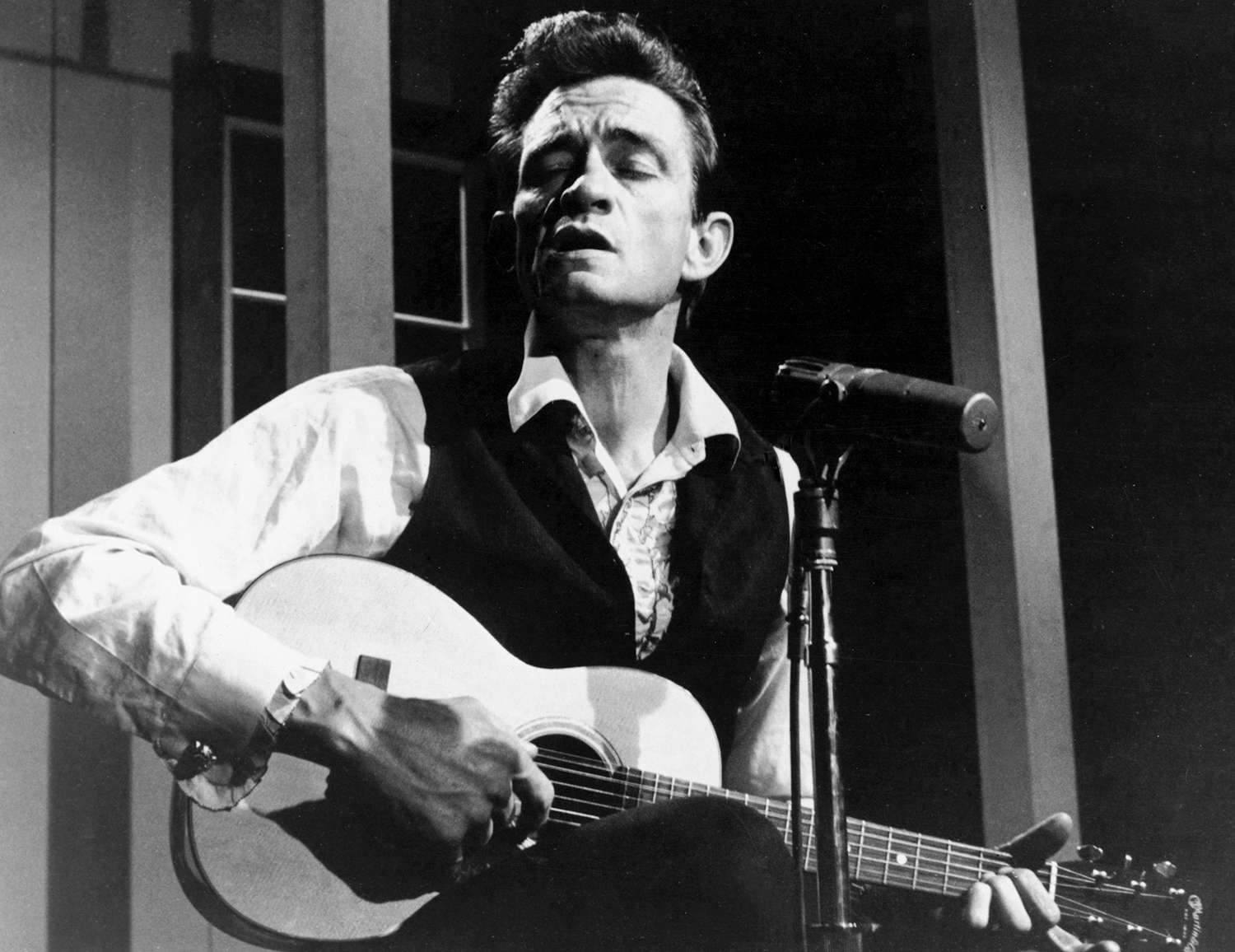
J.R. Cash was born on February 26, 1932, in Kingsland, Arkansas, into a poor cotton-farming family. He was the second of seven children born to Ray and Carrie Cash. In 1935, when he was just three years old, the family moved to Dyess Colony, a New Deal agricultural settlement.
Life in Dyess was extremely tough. Johnny worked in the cotton fields from a very young age. Music became his escape. His mother sang gospel hymns to him, and the radio introduced him to the great artists of the time. A devastating tragedy marked him forever: in 1944, his older brother Jack died in a horrific sawmill accident. This event deeply affected Cash and frequently appeared in the themes of guilt, suffering, and redemption in his music.
The Army, Memphis, and the Birth of a Career
After finishing high school in 1950, Cash joined the U.S. Air Force and served four years in Germany. While stationed there, he wrote some of his first songs, including “Folsom Prison Blues.” After his discharge in 1954, he settled in Memphis, Tennessee, where he worked as a door-to-door salesman by day and played music at night with two friends — forming “Johnny Cash and the Tennessee Two.”
In 1955, he signed with the legendary Sam Phillips at Sun Records. Success came quickly. His first single “Cry! Cry! Cry!” was followed by the massive hit “I Walk the Line” (1956), which became one of the defining songs of his career and launched him into stardom.
Peak Fame and the “Man in Black”
By the late 1950s and throughout the 1960s, Cash moved to Columbia Records and reached the height of his popularity. His live prison albums — “At Folsom Prison” (1968) and “At San Quentin” (1969) — turned him into a cultural phenomenon. Classic songs such as “Ring of Fire” (1963), “A Boy Named Sue”, “Big River”, and “Get Rhythm” became timeless hits.
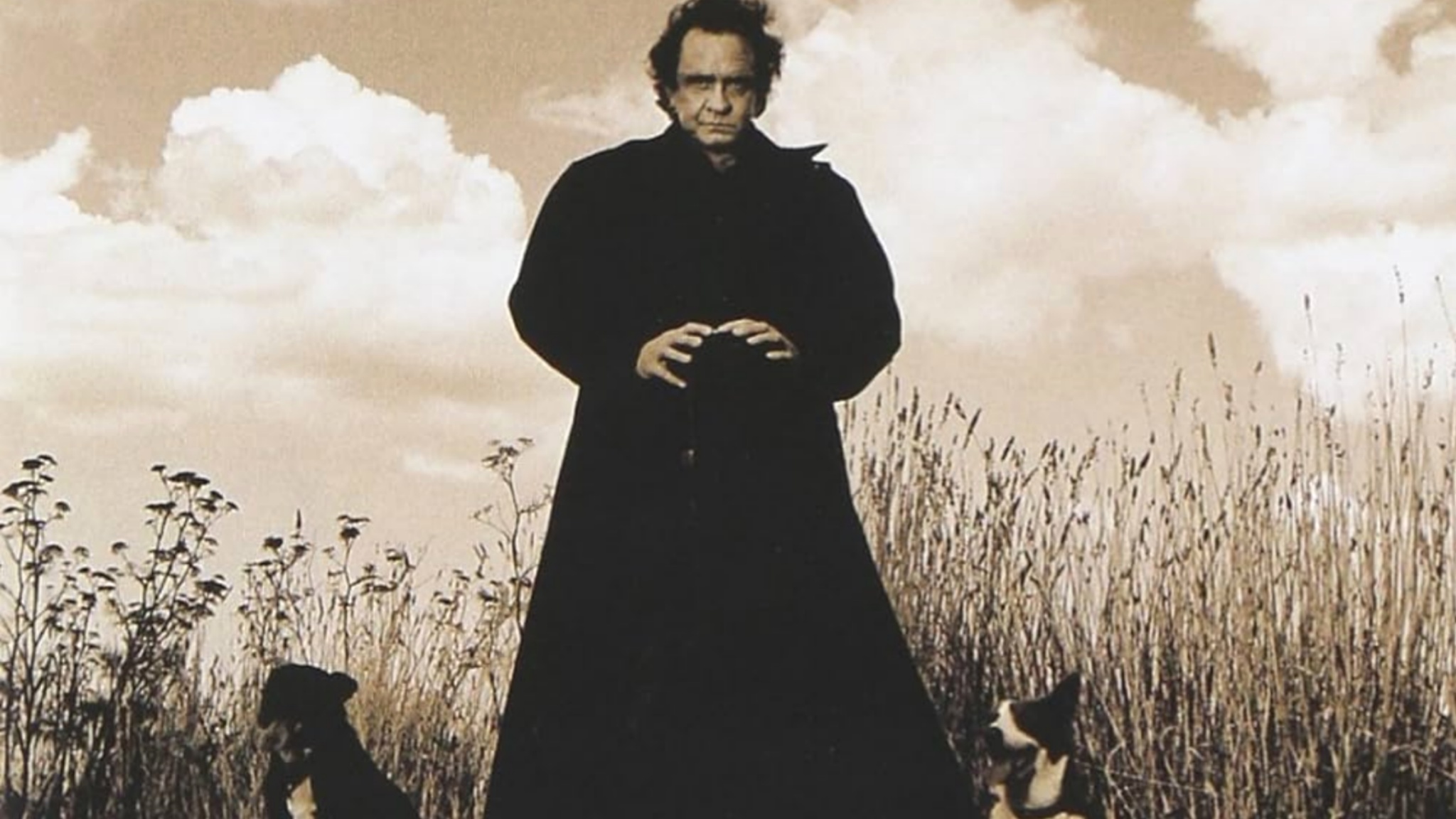
His signature “Man in Black” image began in the late 1960s. He always performed dressed entirely in black. In 1971, he released the song “Man in Black”, a powerful protest track in which he explains that he wears black for the poor and hungry, the prisoners, the soldiers dying in Vietnam, and for those lives that could have been. The song became both his personal anthem and a social statement.
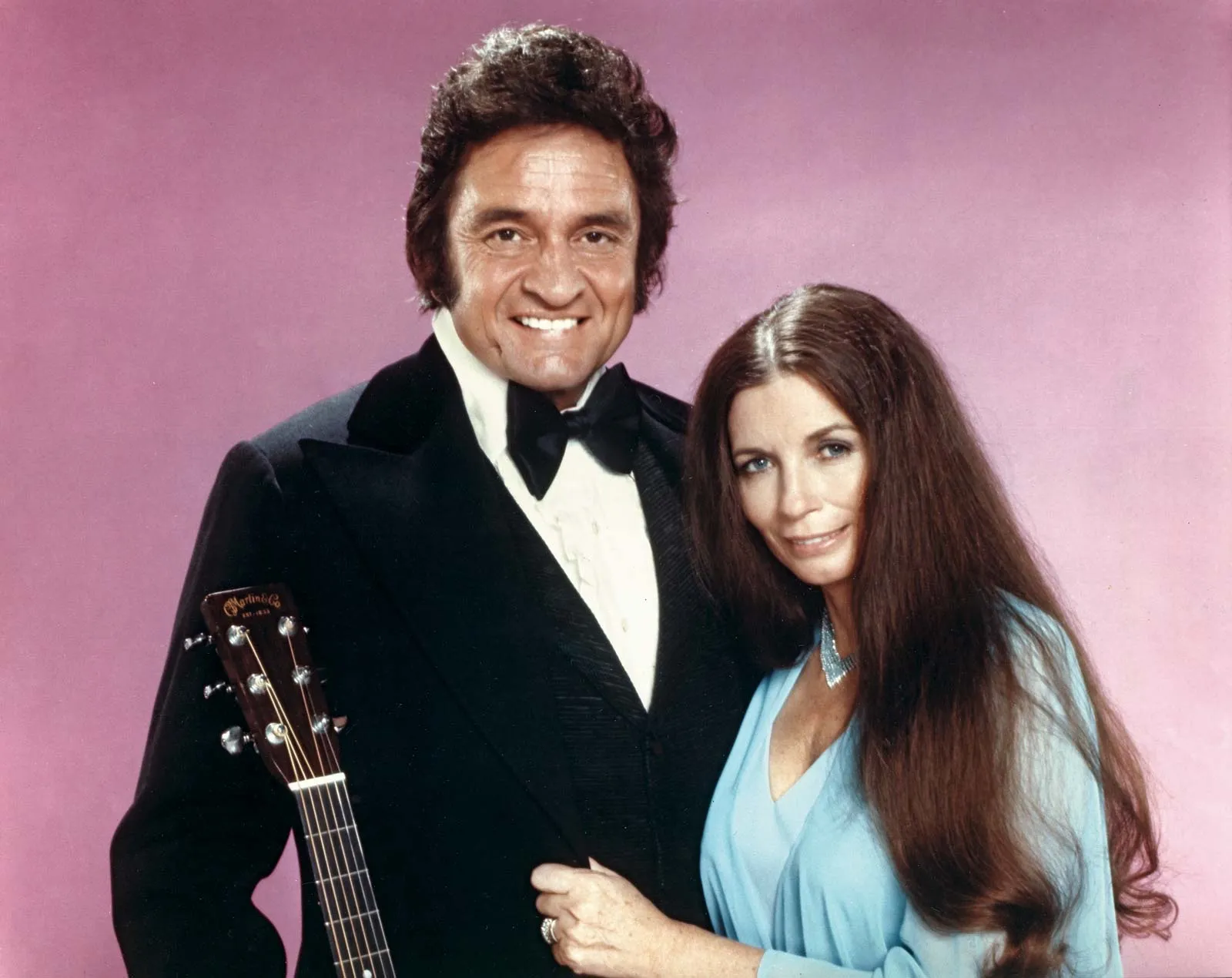
sfae.comJohnny Cash and June Carter Cash, Hendersonville, 1969 | San Francisco Art Exchange
Personal Life: Love, Addiction, and Redemption
Cash’s personal life was as dramatic as his music. He married Vivian Liberto in 1954 and they had four daughters. The marriage ended in 1966 due to his relentless touring and severe addiction to amphetamines.
In 1968, he married June Carter Cash, a talented country artist who played a crucial role in helping him overcome his drug addiction. Their musical partnership produced legendary duets such as “Jackson”. Together they had one son, John Carter Cash.
Later Years and Triumphant Comeback
In the 1980s and early 1990s, Cash’s commercial success declined, but in 1994 he began a remarkable collaboration with producer Rick Rubin. The American Recordings series brought him a major late-career revival. The album “American IV: The Man Comes Around” (2002) featured his haunting cover of “Hurt” by Nine Inch Nails. The music video for this song is considered one of the most emotional and powerful in music history.
On May 15, 2003, June Carter Cash passed away. Johnny, already gravely ill with diabetes and devastated by the loss of his wife, died just four months later on September 12, 2003, at the age of 71, in Nashville.
Musical Legacy
Johnny Cash sold over 90 million records worldwide and influenced generations of artists — from Bob Dylan to Nirvana, U2 to Eminem. His dark, honest voice and sincere lyrics about suffering, love, faith, and redemption made him immortal.
Some of his biggest hits include:
“I Walk the Line” (1956)
“Folsom Prison Blues” (1955/1968)
“Ring of Fire” (1963)
“Man in Black” (1971)
“A Boy Named Sue” (1969)
“Jackson” (with June Carter Cash)
“Hurt” (2002)
Johnny Cash was more than just a country star — he was a poet of the American experience, a voice for the marginalized, and an artist who lived life without compromise. Even today, when you hear the opening chords of “Man in Black,” it feels like he is speaking directly to you. The legend continues to walk the line… forever.
THE SONG :
CREDITS:
Johnny Cash